
• Skip to primary navigation
  • Skip to main content
  • Skip to primary sidebar
  • Skip to footer

FHE Health | Inpatient Rehab & Mental Health Facility in Florida Homepage

Drug, Alcohol and Mental Health Treatment

ContactCareers

Call for Immediate Help (833) 596-3502

  • About
        • About FHE Rehab
          • About FHE Health
          • Our Staff
          • Locations We Serve
          • Testimonials
        • Our Campus
          • Gallery
          • Our Videos
          • The Health and Wellness Center at FHE Health
        • Our Locations
          • Alcohol Rehab
          • Detox Center
          • Drug Rehab
          • Mental Health Center
          • Outpatient Rehab
        • Careers at FHE Health
          • Employment Opportunities
        • Our Expertise
          • Accreditations
          • Educational Opportunities
          • Community Impact Award
          • First Responder Families Podcast
          • First Responder Paws
          • Education Scholarship
  • Addiction
        • Treatment Programs
          • Treatment Program Overview
          • Alcohol Addiction
          • Drug Addiction Treatment
          • Behavioral Addiction
        • Levels of Care
          • Continuum of Care
          • Addiction Detox
          • Inpatient Addiction Treatment
          • Outpatient Addiction Treatment
        • What We Treat
          • Alcoholism
          • Amphetamines
          • Benzodiazepines
          • Cocaine
          • Heroin
          • Opioids
          • Sedative
  • Mental Health
        • Mental Health Rehab
          • Mental Health Rehab
          • Onsite Psychiatric Care
          • Dual Diagnosis
        • Levels of Care
          • Residential Mental Health Care
          • Outpatient Mental Health Care
        • What We Treat
          • ADD & ADHD
          • Anxiety Disorders
          • Bipolar Disorder
          • Depression
          • Eating Disorders
          • Personality Disorders
          • PTSD
          • Schizophrenia
          • Substance Use Disorder
          • Trauma
  • Programs
        • FHE Programs
          • Specialty Program Overview
          • Restore (Mental Health)
          • Empower! (Women's Program)
          • Shatterproof FHE Health(First Responders)
          • Compass Program
        • Support Programs
          • Alumni
          • Family Support
        • Therapies
          • Acupuncture
          • Breathwork Therapy
          • CBT (Cognitive Behavioral Therapy)
          • DBT (Dialectical Behavioral Therapy)
          • EMDR Therapy
          • Expressive Arts Therapy
          • Individual Therapy
          • Group Therapy
          • Gambling Therapy
        • Medical Care
          • Medical Integration
          • Ketamine Infusion
          • IV Vitamin
          • Fitness & Nutrition
          • Medication-Assisted Treatment Program
          • Medication Management
        • NeuroRehab Services
          • Neuro Rehabilitation
          • Neurofeedback Training
          • Neurostimulation Therapy
          • EEG Brain Mapping
          • Insomnia Treatment for PTSD
  • Resources
        • FHE Guides
          • Understanding Drug Abuse
          • Signs of Addiction
          • The Disease of Addiction
          • Confronting Addiction
          • Staging an Intervention
          • Rehab Success Rate – Does It Really Work?
          • Withdrawal Timelines
          • Life After Rehab
          • LGBTQ+ Community Resources
          • Veteran Resources
          • FHE Podcasts
          • Remote Resources Toolkit
        • Learning Center
          • Help for You
          • Help For Loved Ones
          • Help For Alcoholism
          • Help With Substance Abuse
          • Behavioral & Mental Health
          • Life in Recovery
          • Rehab Explained
          • Addiction Statistics
          • Our Research Articles
          • View All Articles
        • The Experience Blog
          • Addiction News
          • Alumni
          • Community Events
          • Expert Opinions
          • FHE Commentary
          • FHE News
          • Treatment Legislation
          • View All Articles
  • Admissions
        • Insurance
          • Blue Cross Insurance
          • Beacon Health / Value Options Insurance
          • Cigna Insurance
          • Humana Insurance
          • TRICARE Insurance
        • Admissions
          • Steps to Addiction Help
          • Will Insurance Cover Behavioral Treatment?
          • Self-Pay Rehab
        • FAQ
          • Keeping Your Job in Rehab
          • Example Day in Rehab
        • Contact Admissions
          • Contact Us
          • Secure Payment Form
  • Contact
  •  
Home > Learning > Behavioral & Mental Health > Is it BPD or Something Else? How to tell the difference

By: Chris Foy | Last Updated: November 30, 2025

Is it BPD or Something Else? How to tell the difference

Is it BPD or Something Else? How to tell the difference

Borderline personality disorder (BPD) is one of the most misunderstood mental health conditions. Its symptoms are similar to those of other conditions, particularly bipolar disorder.

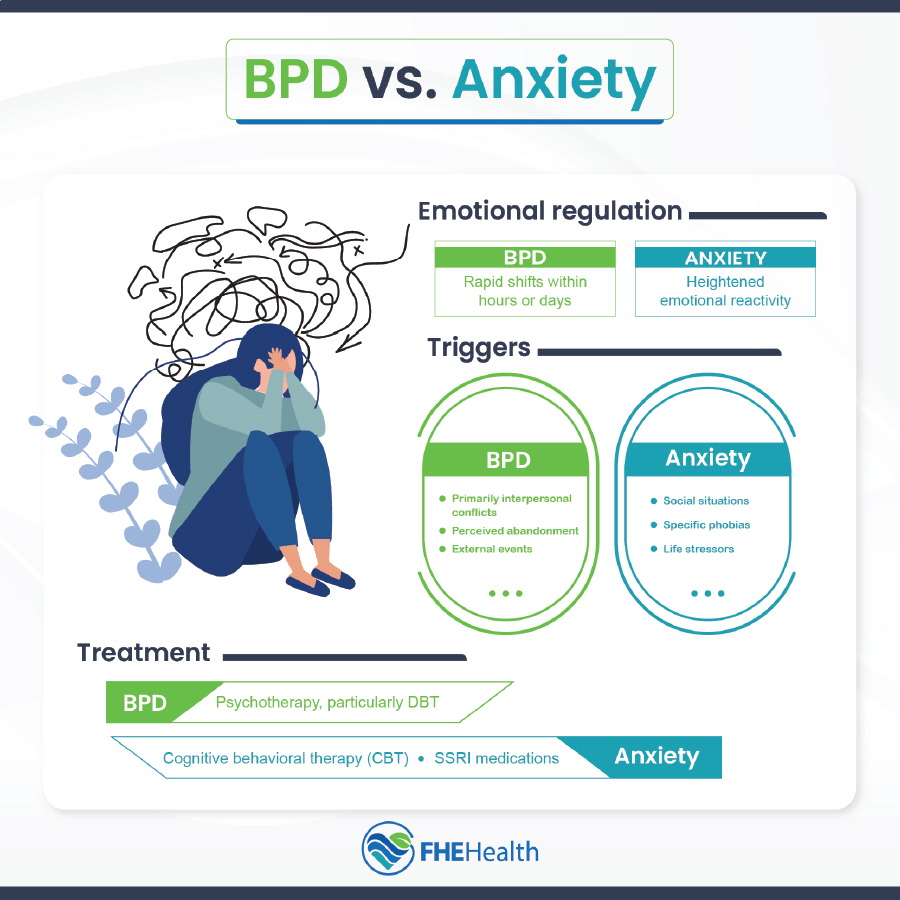
Although both disorders can involve dramatic shifts in mood and energy, they stem from very different causes. Bipolar disorder is primarily a mood disorder, while BPD is a personality disorder rooted in emotion regulation and attachment difficulties. Without a professional evaluation, it can be hard to tell the difference between the two.

So, how do you differentiate between bipolar versus borderline personality disorder? Below, we provide a more in-depth look at the nuances, along with an interactive quiz to help you better understand your symptoms.

Why Is BPD Commonly Misunderstood or Misdiagnosed?
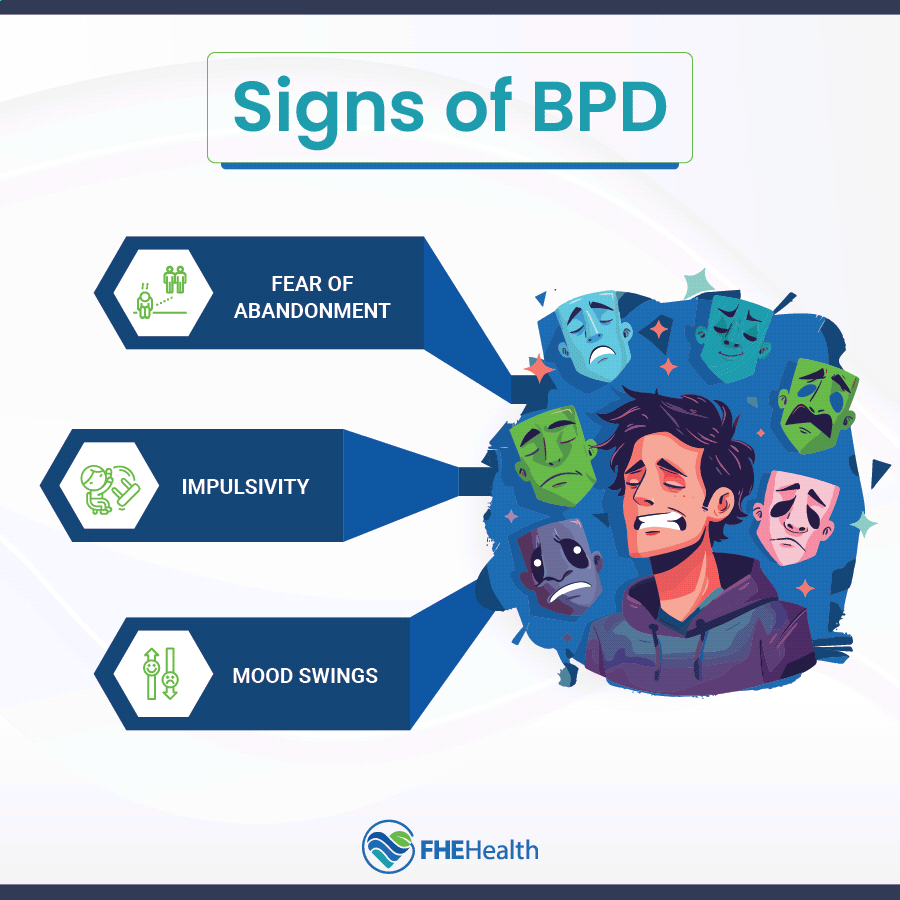
BPD and bipolar disorder share several similarities on the surface: mood swings, impulsive behavior and difficulty maintaining stability. However, the underlying mechanisms differ significantly. Bipolar disorder is cyclical, marked by distinct episodes of depression and mania or hypomania. In contrast, BPD involves ongoing emotional instability often triggered by interpersonal stress or perceived rejection.

In the United States, bipolar disorder affects about 4.4% of adults. BPD is estimated to impact about 1.6% of adults, although experts believe the true number could be as high as 5.9%. Despite its prevalence, BPD remains misunderstood, and many individuals struggle for years before receiving the right diagnosis.

Understanding the difference between bipolar disorder and BPD is key to finding effective support. Our quiz can help you identify which patterns resonate most with your experiences.

Bipolar vs. Borderline Personality Disorder Quiz

Are you trying to compare bipolar disorder vs. BPD symptoms? While our quiz doesn’t provide a diagnosis, it may offer insight into areas worth exploring further with a mental health professional.


Step 1 of 8

12%
Question 1: How Long Do Your Mood Changes Typically Last?
A. Short, intense mood swings lasting for hours are more common in BPD, where emotions shift quickly in response to stress or relationship issues.
B. Mood changes persisting for days or weeks are characteristic of bipolar disorder, which involves distinct depressive or manic episodes.
C. Consistent anxiety or low mood without clear cycles may point to anxiety or depressive disorders rather than BPD or bipolar disorder.
Question 2: What Tends to Trigger Your Emotional Shifts?
A. Emotional reactivity to interpersonal issues is common in BPD.
B. Mood changes without external causes may align more with bipolar disorder, as episodes typically arise biologically rather than situationally.
C. Stress-related fluctuations may suggest anxiety or adjustment difficulties.
Question 3: How Do You Usually Feel About Yourself?
A. Shifting self-image is a hallmark of BPD.
B. Stable self-esteem despite mood variations fits bipolar disorder more closely.
C. Persistent self-criticism may reflect depression or trauma-related issues.
Question 4: What Best Describes Your Relationships With Others?
A. Unstable or “all-or-nothing” relationships often point to BPD.
B. Cyclical changes tied to mood episodes are more typical in bipolar disorder.
C. Withdrawal linked to fear or anxiety may relate to social anxiety or trauma responses. .
Question 5: How Do You Experience Energy and Activity Levels?
A. This aligns with emotional reactivity experienced with BPD.
B. Sustained high-energy periods may indicate mania or hypomania experienced with bipolar disorder.
C. Constant low energy is common in depression or chronic anxiety.
Question 6: How Predictable Are Your Emotional Responses?
A. Rapid emotional changes reflect BPD’s core emotional instability.
B. Patterned cycles suggest a mood condition such as bipolar disorder.
C. Persistent negative mood fits with depressive or anxiety conditions.
Question 7: When You Act Impulsively, What’s the Usual Reason?
A. Impulsive actions to regulate emotions are typical of BPD.
B. Risk-taking linked to euphoria or overconfidence may indicate manic behavior in bipolar disorder.
C. Controlled but anxious behavior points more to anxiety or obsessive tendencies.
Thank you for taking our quiz!

We hope this quiz has given you some insight into your unique symptoms. Emotional experiences are complex, and symptoms can overlap between BPD, bipolar disorder and other conditions such as anxiety or depression. If you recognize concerning patterns, consider reaching out to a licensed mental health professional.
Treatment Options for BPD and Related Conditions

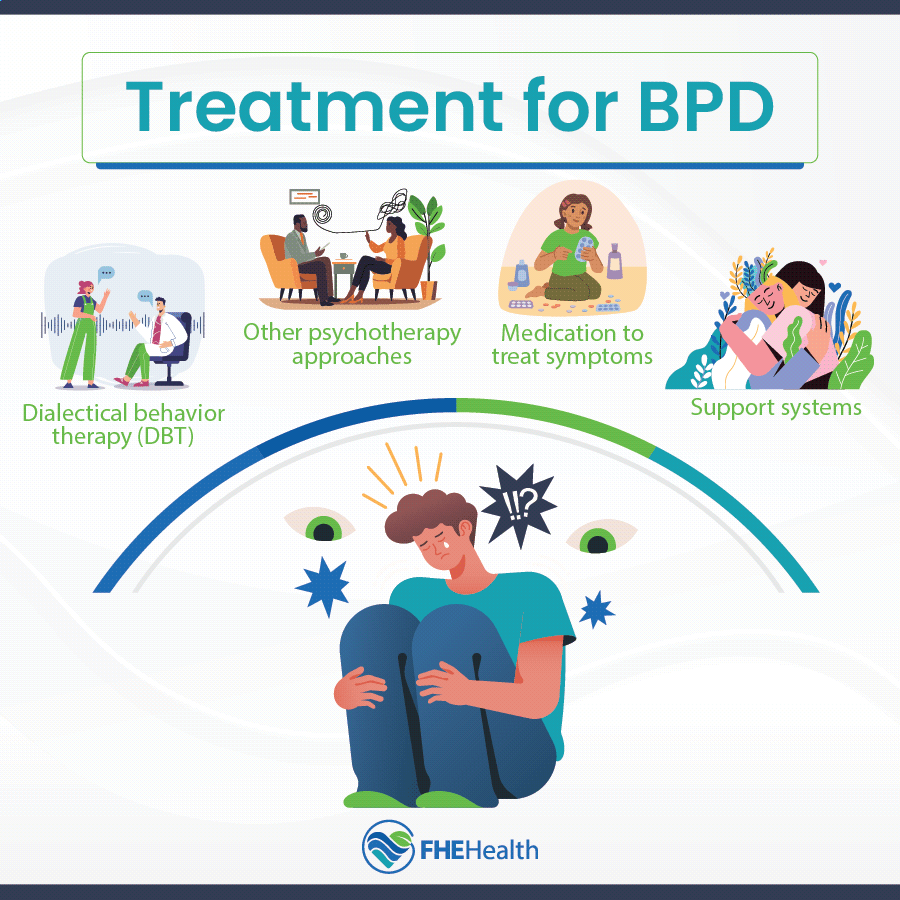
Getting the right diagnosis is an important step toward recovery. Since BPD can easily be mistaken for bipolar disorder or other mental health conditions, professionals use a detailed evaluation process to make a diagnosis. This often includes clinical interviews, psychological assessments and a review of family and medical history. Once a diagnosis is made, treatment may involve a combination of approaches, including:

  • Dialectical behavior therapy. A structured therapy designed specifically for BPD, DBT helps individuals build skills in mindfulness, emotional regulation and communication.
  • Cognitive behavioral therapy. CBT focuses on identifying and changing unhelpful thought patterns contributing to emotional distress and impulsive behavior.
  • Medication and lifestyle changes. Proper medication management, paired with practices such as mindfulness and good sleep hygiene, can complement therapy.
Whether you’re seeking a diagnosis, treatment or both, help is available. At FHE Health, we offer comprehensive support for a wide range of mental health conditions. Through a personalized treatment plan and evidence-based therapies, we can help you overcome challenges and reclaim the life you deserve. Contact us today to learn more.


Filed Under: Behavioral & Mental Health, Featured in Mental Health

About Chris Foy

Chris Foy is a content manager and webmaster for FHE Health with years of experience in the addiction treatment industry...read more

Primary Sidebar

Learning Center

  • Help for You
  • Help For Loved Ones
  • Help For Alcoholism
  • Help With Substance Abuse
  • Behavioral & Mental Health
  • Life in Recovery
  • Rehab Explained
  • All Articles

Sign up for the Blog

Our Facilities

Take a look at our state of the art treatment center.

View Our Gallery

The Experience Blog

  • Addiction News
  • Alumni
  • Community Events
  • Expert Columns
  • FHE Commentary
  • FHE News
  • Treatment Legislation
  • All Articles

Footer

FHE Health

© 2025 FHE Health

505 S Federal Hwy #2,
Deerfield Beach, Florida 33441
1-833-596-3502
youtube facebook instagram linkedin twitter
  • Contact
  • Careers
  • AI Policy
  • Privacy Policy
  • Sitemap
A+ BBB and Top Places to Work - Sun Sentinel

Copyright © 2025 · FHE Theme On Genesis Framework · WordPress · Log in

Manage Consent
To provide the best experiences, we use technologies like cookies to store and/or access device information. Consenting to these technologies will allow us to process data such as browsing behavior or unique IDs on this site. Not consenting or withdrawing consent, may adversely affect certain features and functions.
Functional Always active
The technical storage or access is strictly necessary for the legitimate purpose of enabling the use of a specific service explicitly requested by the subscriber or user, or for the sole purpose of carrying out the transmission of a communication over an electronic communications network.
Preferences
The technical storage or access is necessary for the legitimate purpose of storing preferences that are not requested by the subscriber or user.
Statistics
The technical storage or access that is used exclusively for statistical purposes. The technical storage or access that is used exclusively for anonymous statistical purposes. Without a subpoena, voluntary compliance on the part of your Internet Service Provider, or additional records from a third party, information stored or retrieved for this purpose alone cannot usually be used to identify you.
Marketing
The technical storage or access is required to create user profiles to send advertising, or to track the user on a website or across several websites for similar marketing purposes.
  • Manage options
  • Manage services
  • Manage {vendor_count} vendors
  • Read more about these purposes
View preferences
  • {title}
  • {title}
  • {title}

The FHE Health team is committed to providing accurate information that adheres to the highest standards of writing. If one of our articles is marked with a ‘reviewed for accuracy and expertise’ badge, it indicates that one or more members of our team of doctors and clinicians have reviewed the article further to ensure accuracy. This is part of our ongoing commitment to ensure FHE Health is trusted as a leader in mental health and addiction care.

If there are any concerns about content we have published, please reach out to us at marketing@fhehealth.com.

833-596-3502

Text/Call Me