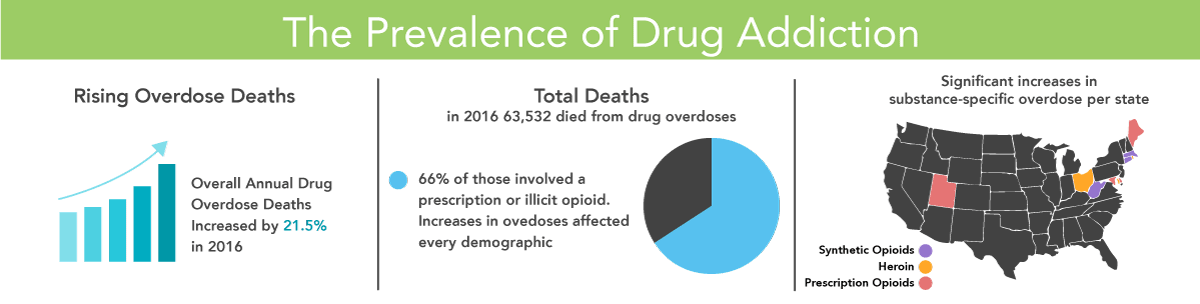
Drug addiction is a chemical dependency on a substance, such as prescription or illicit drugs. Men, women, and children can suffer from this condition, and drug overdose deaths remain a major public health issue. The Centers for Disease Control and Prevention (CDC) reported 79,384 overdose deaths in the United States in 2024, showing the need for timely care.
Understanding what drug addiction is will help you to get the support you need or give you guidance on how to help a loved one. FHE Health in South Florida provides confidential treatment programs for all forms of addiction.
Defining Drug Addiction: What Is Drug Abuse?
Drug addiction is a disease that impacts a person’s brain and behavior. Long-term drug use can lead to a loss of self-control, leading to risk-seeking behavior. Even if someone wants to stop using a drug they’re addicted to, the urge to take the drug can be so strong that they feel unable to resist it.
Drug abuse can begin from experimental or recreational use of a substance, in social situations or in private. When this type of recreational use occurs, the “feel good” experience encourages people to continue using that drug more frequently.
In others, drug addiction begins with prescribed medication. For example, you may be prescribed a painkiller to help you after an injury, but the drug’s addictive qualities cause you to become physically dependent on it.
What Types of Drugs Are Addictive?
An addictive drug encourages either physical dependency, behavioral changes or both. Physicians divide drugs into different classes, based on the type of effect they have on the mind and body. Some of the most addictive drugs include:
Stimulants
A stimulant causes the drug user to feel more alert and full of energy, and these drugs do have legitimate pharmaceutical uses. However, stimulant drug abuse can occur when a person uses it to stay awake or to perform better athletically. Some common stimulants include:
- Adderall
- Caffeine
- Ritalin
- Cocaine
- Nicotine
- Ecstasy
- Methamphetamines
Depressants
Depressants work to help slow down the body, which is why they are also called downers. Medical professionals prescribe these drugs to help with conditions such as anxiety and obsessive-compulsive disorder. They create a sedative-like experience, which makes them attractive to some users. Examples of depressants include:
- Valium
- Barbiturates
- Rohypnol
Hallucinogens
Hallucinogens change the way the brain communicates, causing more intense changes to emotions and perceptions, often including hallucinations. These drugs can be highly addictive because of the high they create. Common examples include:
- LSD
- Salvia
- Peyote
- Psilocybin
Dissociatives
Dissociatives are a highly dangerous type of hallucinogen. Long-term use can be life-threatening. These drugs can be attractive because they create a change in a person’s brain chemistry, letting users escape from daily life. Examples include:
- Ketamine
- Dextromethorphan
- PCP (Phencyclidine)
- Nitrous oxide
Opioids
Opioids, both prescription-based and illicit, are a major cause of drug overdose deaths today. These drugs work as painkillers and can create a sense of euphoria, making them highly addictive. Common examples include:
- Oxycontin
- Hydrocodone
- Morphine
- Percocet
Behavior and Physical Dependency Explained
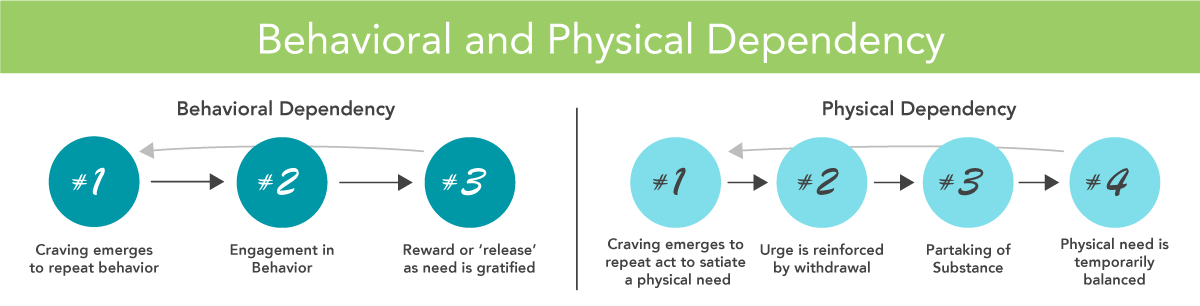
Over time, the body develops a tolerance for the drug being used and needs more to get the same type of outcome or high. Addiction’s physical dependency also leads to withdrawal symptoms when a person stops using their drug of choice, which can be highly painful and even life-threatening in some cases.
In contrast, behavioral addiction refers to cravings caused by the brain’s reward process. If taking a drug makes someone feel good, they have a strong desire to repeat that behavior. This is the basis of gambling or shopping addiction, and is often a factor in drug addiction, too.
What Causes Drug Addiction?
Researchers haven’t pinpointed why some people develop addiction and others don’t, but several factors raise the risk. Genetics and family history play a role, as does growing up in a home where substance use is present. Mental health conditions such as depression, anxiety and post-traumatic stress disorder can push someone toward drugs or alcohol as a way to cope. Addiction can also begin with legitimate prescription use, such as taking pain medication after an injury, before dependency takes hold.
What Is a Drug Overdose?
Illicit drug use comes with the risk of a drug overdose, which occurs when the body cannot eliminate that amount of the substance or tolerate it. Overdoses are dangerous and require immediate medical intervention.
An overdose can happen accidentally if a person takes more of a drug than they should. The body cannot process the drug, and organs begin to fail. Signs of an overdose can include chest pain, paranoia, disorientation, confusion, violent behavior, difficulty breathing and seizures.
Signs of Drug Addiction

Drug addiction help can only begin when a person recognizes that a problem exists and takes steps to improve their life. Family members may see signs of abuse such as:
- Intense cravings to use that often block out other thoughts
- Continuing to use a drug that has caused ill effects
- Failure to meet work or school obligations
- An inability to stop using the drug, even if they try to
- Taking larger amounts of the drug over a period of time to get the same results
- Spending money on drug purchases instead of taking care of obligations
- Physical health changes include a lack of energy or weight loss/gain
Levels of Care in Drug Addiction Treatment
Drug addiction treatment can take many forms, depending on the type of drug the person is addicted to, how long they’ve been using it, and the dose. Some types and levels of care offered at drug addiction treatment centers include:
- Detox. If someone has been using drugs that require a medically supervised detox, this is typically performed on an inpatient basis.
- Residential. Those struggling with severe drug addiction may check into a residential drug rehab facility where they can spend time free from distractions and stresses to focus on recovery.
- Partial Hospitalization Program. This kind of program combines a significant amount of in-person care with the freedom and flexibility of an outpatient program.
- Intensive Outpatient Program. Individuals who require fewer hours of care at a facility, but not round-the-clock care, may benefit from an intensive outpatient program.
- Outpatient Program. If someone doesn’t require medically supervised detox services or is relatively far along in their recovery journey and is committed to staying the course, an outpatient program with limited contact may be suitable.
How to Seek Drug Addiction Treatment
Getting drug addiction treatment is an essential step to achieving long-term recovery. Therapy is likely to include a period of detoxing from the drug in a medically secure facility. From there, we offer residential and outpatient care.
At our Deerfield Beach rehabilitation center, we create a customized treatment plan that helps you understand your experiences, develop improved coping skills and build essential life skills.
The first step in getting help for drug addiction is to reach out to our team for a private assessment. We’ll talk with you about your substance use, your overall health and whether you might need medical detox before starting treatment. We’ll also review your insurance, recommend the appropriate level of care, and create a treatment plan that fits you.
Our drug addiction treatment program involves a simple intake process where we’ll ask about your current difficulties, substance use history and any medical conditions you might be living with. Our care team will carry out a thorough assessment of your health and lifestyle, and use that information to create a treatment plan tailored to your needs.
Therapies Used in Drug Addiction Treatment
We use a variety of different drug addiction therapies at our Deerfield Beach drug rehab facility, including:
- Cognitive Behavioral Therapy (CBT). This therapy uses a structured approach to stop self-defeating thoughts and change negative thinking patterns, helping replace those unhelpful thoughts with rational and productive ones.
- Dialectical Behavior Therapy (DBT). In this kind of therapy, patients learn practical skills to help them manage their emotions more effectively and break free from self-defeating behavior patterns.
- Eye Movement Desensitization and Response (EMDR). Therapists use EMDR as a part of addiction therapy for individuals who have past trauma. It works by influencing the way the brain processes information, encouraging the mind to reprocess and resolve painful feelings.
- Group Therapy. Many people in recovery find the supportive environment of group therapy helpful for learning coping skills they can take with them into their daily lives.
- Family Therapy. A supportive home environment is essential for long-term recovery, and family therapy helps create this.
- Medication Assisted Treatment (MAT). In some cases, therapy alone is insufficient for recovery. Our MAT program helps reduce the risk of relapse and can be an important starting point for those struggling with severe drug addiction.
Neuro-Rehabilitative Services
In addition to the therapies above, we also offer qEEG brain mapping, transcranial magnetic stimulation (TMS) and neurofeedback. These neuro-rehabilitative services help ensure accurate diagnosis and promote recovery.
- Neurostimulation therapy uses electrical, magnetic and vibrational stimulation to promote neural repair.
- Neurofeedback training helps the brain rewire itself after a detox, undoing the damage caused by long-term drug or alcohol use.

Drug Addiction Recovery
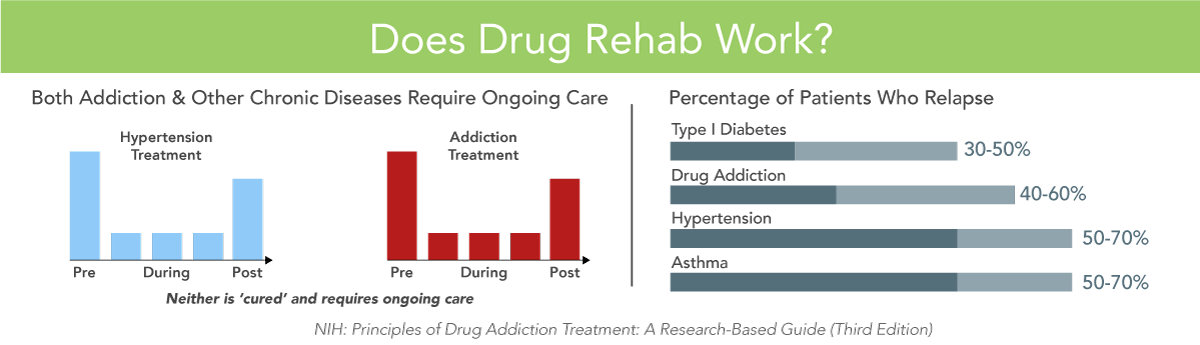
Drug addiction recovery is a complex process requiring initial support and long-term care. It’s critical for individuals to work closely with a team to provide one-on-one support and group therapy.
During treatment, you begin to restore parts of your life that addiction changed, such as your health, routines, relationships and sense of purpose. With steady support and a clear plan, our patients learn how to face challenges and avoid slipping back into old habits.
At FHE Health, we see recovery as a journey. We continue to support patients after detox or residential treatment. As your needs shift, the next steps in care help you build stability and confidence in daily life.
Recovery often involves lifestyle changes, but it can also mean living longer, rebuilding relationships and achieving more of your goals. Explore the continuum of care we offer here at FHE Health.
Medical Detox for Drug Addiction
For many people, treatment starts with medical detox. During detox, your body gets rid of substances while a clinical team watches for withdrawal symptoms and handles any complications that could become serious or life-threatening. At FHE Health, medically supervised detox covers evaluation, stabilization, and a smooth move into ongoing treatment. This way, you do not have to stop after withdrawal.
Co-Occurring Mental Health Disorders
Drug addiction and mental health issues often happen together. You might experience depression, anxiety, trauma, bipolar disorder or other challenges while using substances. Many people use drugs to escape pain or quiet their symptoms, but this usually makes things worse in the long run.
At FHE Health, we focus on the mental and emotional reasons behind substance use. Your care team will review your symptoms, identify any related conditions, and develop a plan to treat both. This approach helps you recognize triggers and learn better ways to cope. Treating both issues together gives you a stronger chance at lasting recovery.
Get the Help You Need at FHE Health’s South Florida Drug Treatment Center
FHE Health provides a wide range of tools and resources to help people from all walks of life get the help they need. If you want to learn how to help a loved one with addiction or secure help for yourself, call our team today for a no-risk private consultation with our South Florida drug treatment center.
Our Deerfield Beach campus is equipped to offer residential and outpatient care, as well as medically supervised detox services. FHE Health is licensed by the Agency for Healthcare Administration (AHCA) and the Department of Children and Families (DCF), and accredited by CARF and the Joint Commission.

Amphetamines
Commonly prescribed for ADHD, weight loss, and insomnia, amphetamines are highly addictive and can be difficult to quit.

Benzodiazepines
Benzodiazepines, or benzos for short, are drugs often used in prescription medications for the treatment of anxiety.

Cocaine
Cocaine is an extremely addictive narcotic stimulant that is most commonly found in a white powder form.

Crack Cocaine
Crack is a drug that is made from cocaine. Often smoked, crack is a cheaper and more addictive version of cocaine.

Heroin
Heroin is an extremely addictive narcotic that is currently responsible for the world’s most deadly drug epidemic.

Methamphetamine
Methamphetamine is a highly addictive and habit-forming stimulant that has become very popular in rural areas of the US.

Opiates
Opiates can be prescribed by doctors for pain management, but are also sold for recreational purposes illicitly.

Sedatives
These medications are typically prescribed for anxiety and sleep disorders, but have a very high potential for abuse.