
Negative experiences are an unfortunate reality of life. Sooner or later, most people will experience something like a car accident, the sudden loss of a loved one, a serious injury or a burglary. Statistically, 70 percent of Americans, or around 220 million people, have experienced some form of traumatic event in life. While many people can learn to move past these kinds of events, some situations go beyond our ability to cope. Without proper attention, a mental health disorder known as post-traumatic stress disorder may develop.
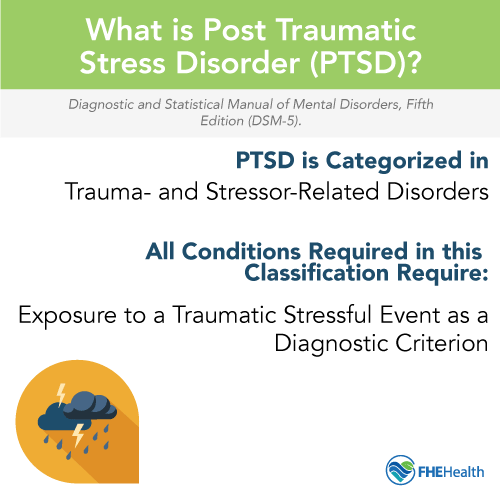
Post-traumatic stress disorder, or PTSD, is a condition triggered by severe stress, trauma or fear. Common in those who have served in the military, experienced an intense emotional or physical incident like assault or rape or gone through a serious incident such as a car crash or house fire, PTSD can be debilitating without proper trauma treatment. At FHE Health, our mental health and PTSD treatment programs in Florida can help individuals process and move past traumatic events.
Care for PTSD can include elements like medication and intensive therapy to mitigate emotional responses and best improve the chances of a happy, healthy and stable future.
Are you or a loved one ready for FHE's Mental Health Post-Traumatic Stress Disorder (PTSD) Treatment in Florida?
Our compassionate and judgment-free environment has helped many overcome their addictions. Learn more about our Mental Health Post-Traumatic Stress Disorder (PTSD) Treatment in Florida.
What Is PTSD?

A form of anxiety disorder, PTSD arises in response to traumatic circumstances. After something like a debilitating accident, life-threatening illness, rape or sexual assault, battlefield experience, fire or another similar event, those involved may find themselves feeling stressed, paranoid, anxious and unable to focus. Memories of the moment in question may linger, creating uncomfortable emotions that are almost impossible to ignore. This can compromise virtually all elements of a normal life, creating an untenable situation.
While not universal after a serious situation, PTSD reportedly occurs in around 20 percent of those who have suffered a distressing event. Unfortunately, many people who have PTSD either don’t realize there’s something wrong or are hesitant to speak up due to the stigmas surrounding mental health.
What Causes PTSD?
PTSD can be caused by a single traumatic event or a series of traumatic experiences. Some of the most common causes of this condition include:
Military Service
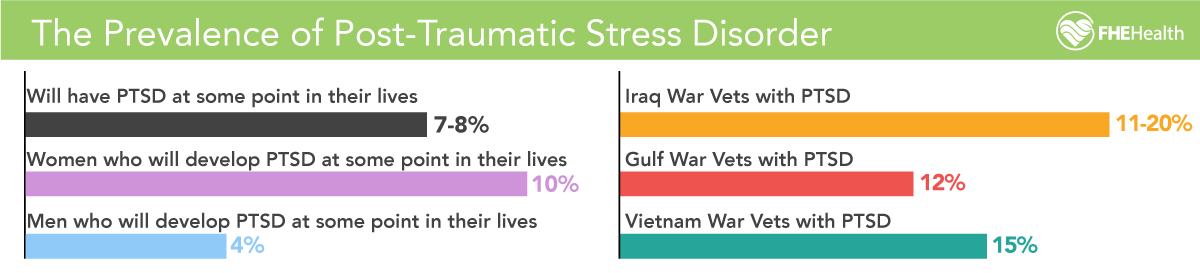
Military service can be enormously stressful. Factors such as witnessing or experiencing violence, geographical location and other factors can contribute to the development of PTSD. The number of veterans suffering from this condition varies. As many as 11–20 veterans out of 100 of Operation Iraqi Freedom experienced PTSD. 15 of every 100 Vietnam veterans experienced the condition.
First Responders
First responders such as police, firefighters and EMTs are at risk for developing PTSD because of their high-stress occupations. They are repeatedly placed in high-stress situations. A single acute event or multiple stressful events can lead to the development of this condition.
Sexual Trauma
People who experience sexual trauma as children or adults are more susceptible to PTSD. Some victims may develop symptoms right away or experience delayed reactions to their trauma.
Childhood Physical Abuse
The fear and stress associated with physical abuse in childhood can cause PTSD that extends into adulthood. Additionally, adults who experience physical abuse or domestic violence can also develop PTSD.
Threatened with a Weapon
Being threatened with a weapon like a gun or knife can trigger the development of PTSD. In these situations, people experience temporary powerlessness and acute stress that alters their mental well-being.
Other Factors
There are seemingly countless triggers for developing PTSD. Witnessing a violent event or the death of a loved one — even the death of a beloved pet — can be incredibly traumatic and lead to a mental health disturbance. Sometimes, PTSD can develop because an individual is already experiencing high stress or another mental health condition.
What Are the Symptoms of PTSD?
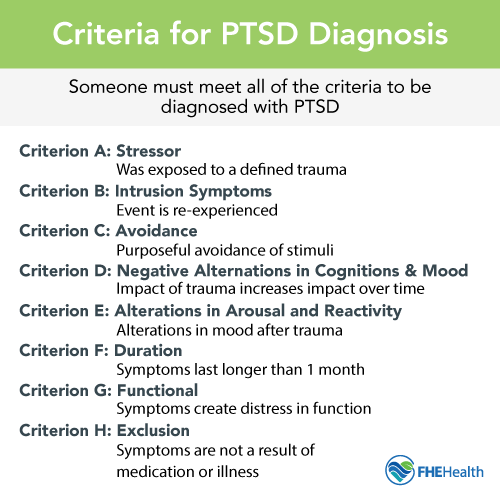
PTSD can arise in numerous different ways and, as such, may manifest differently from person to person. The type of trauma in question may play a great role in side effects, adding an extra layer of difficulty in diagnosis and treatment.
Four main categories of PTSD symptoms are generally required for a clinical diagnosis. These are:
- Distressing recollections, like nightmares, negative thoughts, flashbacks, intrusive thoughts and memories
- Mood and cognitive changes, such as sadness, emotional numbness or disinterest in previously pleasurable activities
- Increased emotional arousal or fight or flight responses, including sleeping difficulties and mood swings
- Avoiding reminders of the traumatic event, such as by avoiding particular places, people or situations
These symptom categories can manifest in various ways. Some people may appear uncharacteristically irritable or aggressive, while others may experience difficulty concentrating. Hypervigilance (constantly scanning for threats) is another common symptom, and the affected person may display exaggerated responses to loud noises, sudden movements or other stimuli.
Self-destructive behavior is also common in those with PTSD. Some people turn to coping methods like drinking or drug use — which can lead to co-occurring conditions — and may lash out toward friends and loved ones. Isolation is also common, with individuals neglecting social activities and rejecting both romantic and platonic opportunities. Those with PTSD may also have trouble handling social, occupational and financial requirements for a normal life. Choosing to leave work or end relationships isn’t unusual in cases of PTSD.
When PTSD Symptoms Appear
Many people believe that if they feel normal after a critical situation, they’re okay. However, the symptoms of PTSD may not manifest right away. Signs can arise days, months or even years after experiencing trauma. This is very common in military personnel: the effects of war, injury or loss can be pushed down and ignored in the field but may come to the fore on return to civilian life. Between 20% and 30% of military members will develop PTSD at some point in life, whether during service or as a veteran.
Frustration, fear, anxiety, worry or insomnia are common following a serious incident, and this should not be downplayed. After a serious occurrence, it’s natural to be hesitant or anxious about what happened, or to fear that something similar might happen again. For many people, these feelings will lessen in several weeks. Symptoms following a traumatic event must generally persist for at least a month to be considered true PTSD.
How FHE Health Treats PTSD
People with PTSD experience distressing and potentially serious symptoms, so prompt treatment is essential. Without treatment, PTSD can worsen, standing in the way of everything from personal relationships to employment. It can also lead to feelings of depression and increased suicide risk.
At FHE Health, we tailor PTSD treatment to your individual needs. Trauma can change the way you think, react and move through the world, so effective care has to address more than the memory of what happened. Your treatment may involve therapy, psychiatric care and neurorehabilitation. Rather than treating trauma alone, our team also considers your sleep, nervous system, mood and any other conditions.
Medication and Therapy
Our trauma treatment programs in South Florida combine therapeutic and pharmacological treatments to reduce symptoms and address the root cause of your mental health problems. Antidepressants are the most common medications offered for PTSD treatment, addressing feelings of isolation, anxiety and depression. When used in conjunction with intensive therapy, patients may be able to return to a normal way of life.
Therapeutic Approaches
Therapy for PTSD can vary based on a patient’s specific needs, and we’ll work with you to help you choose the most effective options for your circumstances. The most common therapeutic techniques include:
- Cognitive Processing Therapy: CPT, a specific form of cognitive behavioral therapy, can be very effective in treating symptoms of PTSD. CPT focuses on identifying the connections between thoughts and emotions, coupled with formal processing of traumatic experiences. This process may include in-depth writing about the event in question, which can then be deconstructed in future sessions to redirect thoughts and feelings.
- Eye Movement Desensitization and Reprocessing: EMDR is a form of therapy created specifically to address trauma. It centers around an underlying assumption that the symptoms of PTSD are based on a failure to appropriately process a distressing event. Our EMDR therapy sessions in Florida combine controlled exposure to traumatic memories with alternating stimuli (like rapid eye movements) to help you reprocess traumatic experiences.
- Exposure Therapy: Exposure therapy helps to desensitize patients to painful or frightening memories by using images, video and virtual reality programs to recreate a traumatic incident. By providing increased exposure to the circumstances of a trauma in a safe environment, you’ll feel more prepared to safely face the reality of a situation.
- Group Therapy: A common tenet in many PTSD treatment programs, group therapy can provide context and support for individuals with PTSD. When discussing experiences and feelings in a group setting, it can be easier for those participating to open up, reveal insecurities, get feedback and gain helpful insight.
Therapeutic methods can be combined for greater efficacy if desired. For example, we often incorporate group therapy into other courses of treatment. We devote significant time to these types of therapies in our outpatient and inpatient PTSD programs.
More Questions about Treatment?
We offer 100% confidential and individualized treatment
Co-Occurring Disorders
PTSD and substance use often occur at the same time. SAMHSA reports that 21.2 million adults had a co-occurring mental illness and substance use disorder in 2024. Some people turn to alcohol or drugs to cope with flashbacks, anxiety, trouble sleeping or emotional pain. However, this can make symptoms more difficult to manage over time.
At FHE Health, we see co-occurring conditions as part of your overall health, not as something separate. If you are dealing with PTSD along with substance use or other mental health issues, your treatment plan can address all of these together.
Is Mental Health Rehab for PTSD Right for Me?
For some people with PTSD, weekly therapy is enough. If symptoms are constantly disrupting your life, a higher level of care might be better.
Mental health rehab may be appropriate if you have PTSD along with depression, anxiety or substance use. At our South Florida FHE Health facility, we adjust treatment to match the severity of your symptoms and the level of structure you need.
Specialized PTSD Treatment in Deerfield Beach

Many people think of rehabilitation as only for addiction. But when trauma disrupts sleep, mood, focus, relationships and daily life, rehab can help those with PTSD. At FHE Health, we offer medical, psychiatric, neurological and therapeutic care in one place. We believe compassion and clinical science go hand in hand, so we create personalized plans that support every aspect of your recovery.
Our PTSD programs combine medical, psychiatric and clinical treatments for a holistic approach to healing. Our accreditations reflect our commitment to evidence-based, high-quality care. Using a series of biometrics, we use tools like brain imaging, blood testing and other techniques to create a customized, highly effective approach to therapy. Through our five-tier neuro-rehabilitative services, we are able to support PTSD treatments with:
- Comprehensive neuro-psychological testing
- Heart rate variability and biosound monitoring
- Quantitative electroencephalography (qEEG)
- QEEG-guided neurofeedback training
- Electrical nerve stimulation therapy
- High-frequency pulsed electromagnetic stimulation therapy
Our team uses these services to support, not replace, evidence-based PTSD therapy. They help our team deliver more targeted care based on your symptoms and track your progress over time.

PTSD is a serious condition, but the right help can make all the difference. At FHE Health, we offer inpatient PTSD treatment in Florida devoted to alleviating symptoms and helping those suffering through trauma to find hope for the future.
Start the admission process
100% free and confidential insurance verification with a counselor
FAQs About PTSD Treatment
- Re-experiencing the event: Through intrusive thoughts, memories or nightmares
- Avoidance and numbness: Avoiding reminders of the trauma and feeling detached from others or losing interest in activities you once enjoyed
- Increased arousal: Feeling hyper-aware of your surroundings (hypervigilance), having angry outbursts, difficulty sleeping or being easily startled
Moving Forward With Trauma Treatment in South Florida
Deciding to seek treatment for PTSD can feel daunting, but expert help is at hand. There are effective options available to help you reprocess your trauma, manage symptoms and lead a fulfilling lifestyle. Working with healthcare professionals experienced in treating PTSD is the first step toward finding the right combination of therapies for your needs and achieving lasting relief.
If you or someone you love is living with post-traumatic stress disorder, FHE Health can help. Please contact us today to learn more about admission to PTSD treatment in Florida.
Begin Your Recovery Today
Begin your recovery today
Ready to start? More questions about treatment?