• Skip to primary navigation
  • Skip to main content
  • Skip to primary sidebar
  • Skip to footer

FHE Health | Inpatient Rehab & Mental Health Facility in Florida Homepage

Drug, Alcohol and Mental Health Treatment

ContactCareers

Call for Immediate Help (833) 596-3502

  • About
        • About FHE Rehab
          • About FHE Health
          • Our Staff
          • Locations We Serve
          • Testimonials
        • Our Campus
          • Gallery
          • Our Videos
          • The Health and Wellness Center at FHE Health
        • Our Locations
          • Alcohol Rehab
          • Detox Center
          • Drug Rehab
          • Mental Health Center
          • Outpatient Rehab
        • Careers at FHE Health
          • Employment Opportunities
        • Our Expertise
          • Accreditations
          • Educational Opportunities
          • Community Impact Award
          • First Responder Families Podcast
          • First Responder Paws
          • Education Scholarship
  • Addiction
        • Treatment Programs
          • Treatment Program Overview
          • Alcohol Addiction
          • Drug Addiction Treatment
          • Behavioral Addiction
        • Levels of Care
          • Continuum of Care
          • Addiction Detox
          • Inpatient Addiction Treatment
          • Outpatient Addiction Treatment
        • What We Treat
          • Alcoholism
          • Amphetamines
          • Benzodiazepines
          • Cocaine
          • Heroin
          • Opioids
          • Sedative
  • Mental Health
        • Mental Health Rehab
          • Mental Health Rehab
          • Onsite Psychiatric Care
          • Dual Diagnosis
        • Levels of Care
          • Residential Mental Health Care
          • Outpatient Mental Health Care
        • What We Treat
          • ADD & ADHD
          • Anxiety Disorders
          • Bipolar Disorder
          • Depression
          • Eating Disorders
          • Personality Disorders
          • PTSD
          • Schizophrenia
          • Substance Use Disorder
          • Trauma
  • Programs
        • FHE Programs
          • Specialty Program Overview
          • Restore (Mental Health)
          • Empower! (Women's Program)
          • Shatterproof FHE Health(First Responders)
          • Compass Program
        • Support Programs
          • Alumni
          • Family Support
        • Therapies
          • Acupuncture
          • Breathwork Therapy
          • CBT (Cognitive Behavioral Therapy)
          • DBT (Dialectical Behavioral Therapy)
          • EMDR Therapy
          • Expressive Arts Therapy
          • Individual Therapy
          • Group Therapy
          • Gambling Therapy
        • Medical Care
          • Medical Integration
          • Ketamine Infusion
          • IV Vitamin
          • Fitness & Nutrition
          • Medication-Assisted Treatment Program
          • Medication Management
        • NeuroRehab Services
          • Neuro Rehabilitation
          • Neurofeedback Training
          • Neurostimulation Therapy
          • EEG Brain Mapping
          • Insomnia Treatment for PTSD
  • Resources
        • FHE Guides
          • Understanding Drug Abuse
          • Signs of Addiction
          • The Disease of Addiction
          • Confronting Addiction
          • Staging an Intervention
          • Rehab Success Rate – Does It Really Work?
          • Withdrawal Timelines
          • Life After Rehab
          • LGBTQ+ Community Resources
          • Veteran Resources
          • FHE Podcasts
          • Remote Resources Toolkit
        • Learning Center
          • Help for You
          • Help For Loved Ones
          • Help For Alcoholism
          • Help With Substance Abuse
          • Behavioral & Mental Health
          • Life in Recovery
          • Rehab Explained
          • Addiction Statistics
          • Our Research Articles
          • View All Articles
        • The Experience Blog
          • Addiction News
          • Alumni
          • Community Events
          • Expert Opinions
          • FHE Commentary
          • FHE News
          • Treatment Legislation
          • View All Articles
  • Admissions
        • Insurance
          • Blue Cross Insurance
          • Beacon Health / Value Options Insurance
          • Cigna Insurance
          • Humana Insurance
          • TRICARE Insurance
        • Admissions
          • Steps to Addiction Help
          • Will Insurance Cover Behavioral Treatment?
          • Self-Pay Rehab
        • FAQ
          • Keeping Your Job in Rehab
          • Example Day in Rehab
        • Contact Admissions
          • Contact Us
          • Secure Payment Form
  • Contact
  •  
Home > Featured in Recovery > Common Fears in Recovery

By: Chris Foy | Last Updated: November 25, 2025

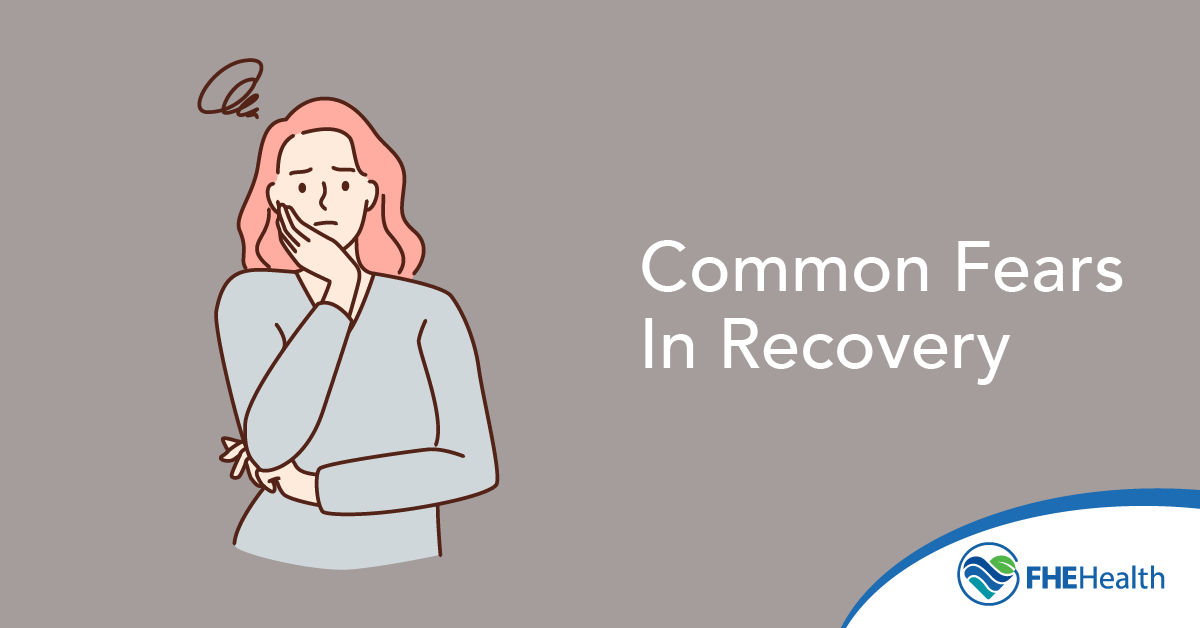
Common Fears in Recovery

Common Fears in Recovery

Addiction can take over a person’s life and ruin their relationships. When trying to get clean, it’s only natural to fear addiction and what may happen during and after recovery. Individuals in recovery often worry about relapsing, how to return to their normal lives and how to deal with the stresses of life without the crutch of their chosen substance. Facing fear and recovery go hand in hand.

In this guide, we provide a list of fears in recovery and discuss how to address them.

Fear of Failure and Relapse

Beating addiction isn’t easy. Historical data shows that 40% to 60% of people struggling with substance abuse relapse at some point. Certain substances, such as opiates, have much higher relapse rates. A recent international study that followed 915 patients over a 2-year period found 24% of participants relapsed during the study timeframe.

Checking into a rehab or otherwise attempting to get clean is a big step — and often a public one. Going through withdrawal symptoms isn’t easy. Plus, many individuals attempting to overcome substance use are doing so because of the impact of addiction on their lives. Given these factors, it’s only natural that some individuals in recovery would have a fear of relapsing.

Fear of Losing Relationships or Identity

Individuals in recovery with friends or family members who abuse substances are at the greatest risk of relapsing. Someone in that situation may have to end friendships or distance themselves from loved ones to have a chance of staying clean when they leave rehab.

Loneliness is a reasonable fear, and recovery can seem impossible when you’re surrounded by others who are addicted. Many rehab facilities help patients establish new habits and find new support networks so they can have an identity outside their addiction.

Fear of Facing Emotions Without Substances

Some people turn to alcohol or drugs in an attempt to dull their emotions. Unfortunately, this can often lead to dependency and addiction. When a person stops using their substance of choice, they may fear dealing with the emotions they were trying to mask.

Someone with a comorbid condition, such as post-traumatic stress disorder or anxiety, can find this aspect of recovery particularly difficult, increasing their risk of relapse. Working with a therapist is an important part of rehab, and it can help these individuals learn new methods of managing difficult emotions.

Fear and Recovery: How Fears Impact Progress

The fears a person struggles with during their recovery process can hamper their journey in several ways, sometimes even before it starts. Some people delay starting rehab out of fear they’ll relapse and feel ashamed or let their loved ones down.

Others start treatment but then allow perfectionism to get in the way. Recovery isn’t a linear process, and if a person falls victim to perfectionism, they might spiral after a small misstep and believe they’re back to square one because of this one mistake.

To make progress, a person must set realistic expectations, take a long-term view and balance holding themselves accountable with understanding the difficulty of recovery. A skilled addiction therapist can help them learn how to do this.

Coping Strategies to Overcome Fear in Recovery

Learning positive coping strategies can help you stay on track through a long and difficult recovery journey. Useful strategies include:

  • Build a support network. Having people to talk to during recovery is vital. A support network, whether friends, peers or family members who aren’t struggling with addiction themselves, can be invaluable. A therapist can add accountability and provide some support as well.
  • Learn stress management techniques. Dwelling on your fears takes a lot of mental energy and can make relapse more likely. Learning stress management techniques to prevent yourself from acting on impulse and finding positive things to distract yourself with can help you stay the course when temptation strikes.
  • Name and understand your fears. Sometimes simply acknowledging a fear and giving it a name can lessen the intensity of the emotion. Once you’ve named a fear, you can think about why you feel that way and develop strategies to avoid falling into negative thought patterns.
  • Build good habits. Rather than thinking about what not to do, find positive and enjoyable activities to fill your time. Finding an exercise you like can help you get fit and boost your mood. Eating well and getting enough sleep can also enhance your well-being and make it easier to cope with difficult emotions so you don’t fall into bad habits again.

Building Confidence Through Ongoing Support

Many people who’ve lived with substance addiction say they never consider themselves truly recovered. They may go a long time without indulging, but there’s always some temptation. With that said, the first year or two are the hardest, and it’s useful to have ongoing support during that period.

Support groups such as Alcoholics Anonymous or Narcotics Anonymous can be helpful, but there are many options. Some follow a 12-step program that focuses on how a higher power can provide the strength needed to overcome addiction. Those who are less spiritual may prefer an alternative such as Self-Management and Recovery Training (SMART) Recovery, which takes a more scientific approach.

Before joining a support group, it’s useful to go through more conventional therapy. This can provide short-term assistance and give you the skills you need to cope with ongoing challenges. At FHE Health, we offer a variety of recovery and addiction treatment programs to support individuals struggling with drug or alcohol abuse. Our programs include detox treatments and therapy to set a person up for long-term success.

Finding Recovery Support

If you’re struggling with addiction or care for someone who has substance abuse issues, contact FHE Health today. Our team is here to answer your questions and help you take the first step toward recovery.


Filed Under: Featured in Recovery, Life in Recovery

About Chris Foy

Chris Foy is a content manager and webmaster for FHE Health with years of experience in the addiction treatment industry...read more

Primary Sidebar

Learning Center

  • Help for You
  • Help For Loved Ones
  • Help For Alcoholism
  • Help With Substance Abuse
  • Behavioral & Mental Health
  • Life in Recovery
  • Rehab Explained
  • All Articles

Sign up for the Blog

Our Facilities

Take a look at our state of the art treatment center.

View Our Gallery

The Experience Blog

  • Addiction News
  • Alumni
  • Community Events
  • Expert Columns
  • FHE Commentary
  • FHE News
  • Treatment Legislation
  • All Articles

Footer

FHE Health

© 2026 FHE Health

505 S Federal Hwy #2,
Deerfield Beach, Florida 33441
1-833-596-3502
youtube facebook instagram linkedin twitter
  • Contact
  • Careers
  • AI Policy
  • Privacy Policy
  • Sitemap
A+ BBB and Top Places to Work - Sun Sentinel

Copyright © 2026 · FHE Theme On Genesis Framework · WordPress · Log in

Manage Consent
To provide the best experiences, we use technologies like cookies to store and/or access device information. Consenting to these technologies will allow us to process data such as browsing behavior or unique IDs on this site. Not consenting or withdrawing consent, may adversely affect certain features and functions.
Functional Always active
The technical storage or access is strictly necessary for the legitimate purpose of enabling the use of a specific service explicitly requested by the subscriber or user, or for the sole purpose of carrying out the transmission of a communication over an electronic communications network.
Preferences
The technical storage or access is necessary for the legitimate purpose of storing preferences that are not requested by the subscriber or user.
Statistics
The technical storage or access that is used exclusively for statistical purposes. The technical storage or access that is used exclusively for anonymous statistical purposes. Without a subpoena, voluntary compliance on the part of your Internet Service Provider, or additional records from a third party, information stored or retrieved for this purpose alone cannot usually be used to identify you.
Marketing
The technical storage or access is required to create user profiles to send advertising, or to track the user on a website or across several websites for similar marketing purposes.
  • Manage options
  • Manage services
  • Manage {vendor_count} vendors
  • Read more about these purposes
View preferences
  • {title}
  • {title}
  • {title}

The FHE Health team is committed to providing accurate information that adheres to the highest standards of writing. If one of our articles is marked with a ‘reviewed for accuracy and expertise’ badge, it indicates that one or more members of our team of doctors and clinicians have reviewed the article further to ensure accuracy. This is part of our ongoing commitment to ensure FHE Health is trusted as a leader in mental health and addiction care.

If there are any concerns about content we have published, please reach out to us at marketing@fhehealth.com.

833-596-3502

Text/Call Me