Arriving at FHE Health
When You First Arrive
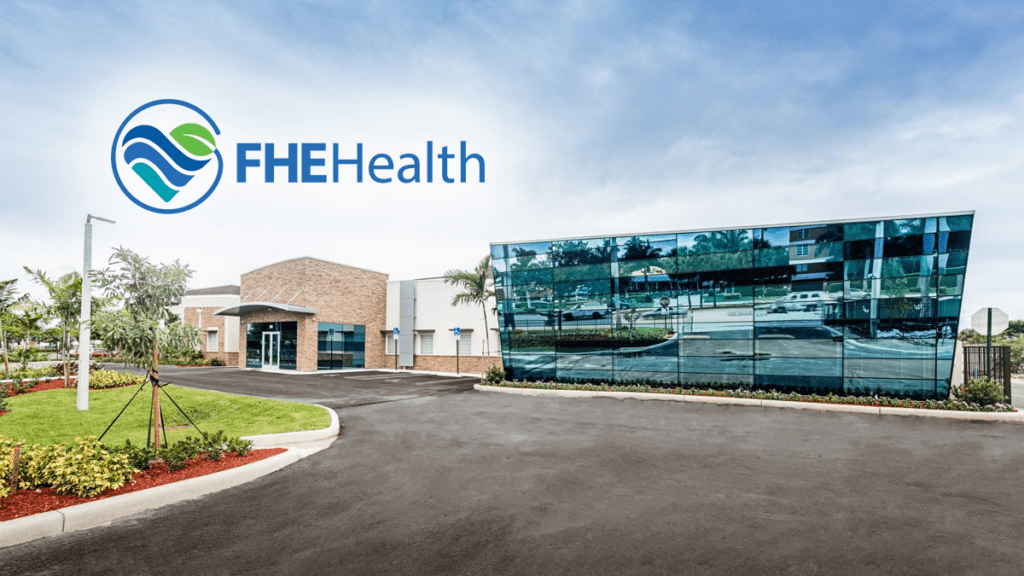
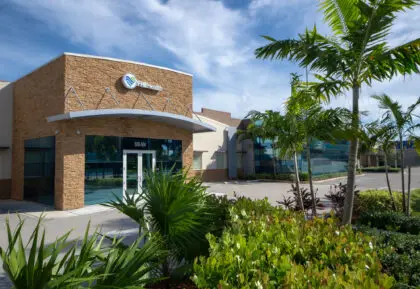 When you get to campus, you’ll be greeted by our admissions team and walked through an intake process before anything else begins. This includes a comprehensive evaluation: your physical and mental health history, any medications you’re currently taking, your substance use history, and your living situation and support system at home. It’s a lot of information to share, but it’s what allows us to build a treatment plan that’s specific to you rather than a generic program.
Utilizing an integrated behavioral health model, FHE Health treats each patient individually following comprehensive medical, psychiatric, psychological, and therapeutic evaluations designed to address the whole person.
From our physicians and neuroscience specialists to our therapists and clinical staff, our multidisciplinary team works collaboratively to provide coordinated, evidence-based care. This integrated approach helps ensure that every patient receives the support and treatment needed for lasting recovery from mental health challenges or substance use disorders.
Nothing about this process is meant to be clinical or cold. The goal is simply to understand where you are so we can meet you there.
Medical Detox: Your First Phase of Treatment
 For most patients, treatment begins with medical detox. This is the process of allowing substances to leave your system safely, with medical support to manage withdrawal symptoms as they arise.
Withdrawal can be uncomfortable, and for some substances it can be medically serious, which is exactly why detox at FHE is medically supervised around the clock. Depending on what you’ve been using, our team may prescribe medications to ease symptoms, reduce cravings, and keep you as comfortable as possible. You’ll also begin attending counseling and therapy sessions during this phase, along with group therapy where you can connect with others going through similar experiences.
Detox is the first step that allows treatment to begin safely. By stabilizing the body and managing withdrawal symptoms, patients are able to fully engage in therapy and recovery work. Most patients move through this phase within a few days to a week, though the timeline varies based on the individual.
Residential Treatment: Building the Foundation

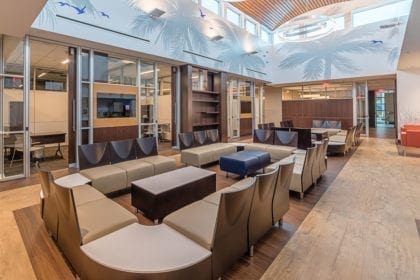
Once you’ve completed detox, you’ll move into our residential program, the most structured and immersive phase of care. You’ll be living on campus, which removes the distractions and triggers of your home environment and gives you space to focus entirely on recovery.
A typical day in residential treatment is full but manageable. Mornings start with a wake-up and vitals check, followed by breakfast. From there, your day moves through community group, clinical group sessions focused on addiction education and skills, and individual therapy with your primary therapist. Evenings include a 12-step meeting and a wrap-up group to reflect on the day.
The daily schedule described here is an example only. FHE Health’s actual programming varies by patient and by program. Consult with admissions for current schedules.
In addition to traditional therapies such as group, individual, and family therapy, patients may also participate in services such as neuroscience-based treatments, biofeedback, transcranial magnetic stimulation (TMS), or ketamine infusion therapy for treatment-resistant depression, along with other optional offerings available.
Meals are prepared on-site by an in-house chef, and there’s designated free time built into the schedule. Residential treatment typically runs a minimum of 30 days, though your team will work with you on a timeline that fits your needs.
Stepping Down: Outpatient Care
 As you make progress in residential treatment, you’ll begin transitioning to a less intensive level of care, either our Partial Hospitalization Program (PHP) or Intensive Outpatient Program (IOP). This step-down is intentional: it gives you the structure and support of treatment while gradually reintroducing the rhythms of everyday life.
In PHP, you’ll attend programming during the day and return home, or remain on campus if you prefer, in the evenings. In IOP, the schedule is somewhat lighter, giving you more flexibility to manage work or family responsibilities while continuing treatment. Group sessions, individual therapy, and accountability check-ins remain central to both programs. Learn more about our full continuum of care.
This gradual transition allows patients to practice recovery skills while still receiving clinical support from the same treatment team.
After Treatment
 Recovery does not end when treatment concludes. FHE Health’s alumni program provides ongoing connection, accountability, and community support, including 24/7 support, regular check-ins, and community events designed to help patients maintain long-term stability. Many patients also transition to sober living, telehealth counseling, or life and job skills programs as they re-enter their regular lives.
Recovery doesn’t end when you leave campus, and neither does your connection to this community.
If you have questions about what to bring, what to expect around phones and visitors, or other logistics, those are covered in the accompanying FAQ.