
About half of U.S. adults experience at least one traumatic event in their lifetime, and roughly 1 in 15 will develop post-traumatic stress disorder at some point. Left untreated, PTSD can disrupt sleep, mood, focus, relationships, and the ability to function in daily life. At FHE Health in Deerfield Beach, we treat PTSD with a combination of evidence-based therapy, medication, and neuro-rehabilitative care designed around your individual needs. For a comprehensive overview of the condition itself, see our page on PTSD.
How FHE Health Treats PTSD
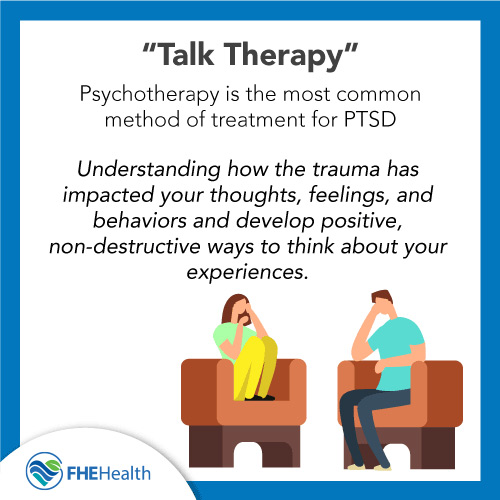 People with PTSD experience distressing and potentially serious symptoms, so prompt treatment is essential. Without treatment, PTSD can worsen, standing in the way of everything from personal relationships to employment. It can also lead to feelings of depression and increased suicide risk.
At FHE Health, we tailor PTSD treatment to your individual needs. Trauma can change the way you think, react and move through the world, so effective care has to address more than the memory of what happened. Your treatment may involve therapy, psychiatric care and neurorehabilitation. Rather than treating trauma alone, our team also considers your sleep, nervous system, mood and any other conditions.
Medication and Therapy
Our trauma treatment programs in South Florida combine therapeutic and pharmacological treatments to reduce symptoms and address the root cause of your mental health problems. Antidepressants are the most common medications offered for PTSD treatment, addressing feelings of isolation, anxiety and depression.
Specifically, the FDA has approved two selective serotonin reuptake inhibitors (SSRIs), Zoloft and Paxil, for the treatment of PTSD. In clinical trials, SSRIs improved PTSD symptoms in 58% of people taking them, compared with 35% of those taking a placebo. Medication eases symptoms for many patients, but it works best alongside therapy rather than on its own, which is why our team pairs the two as the standard approach. Used together, they give patients a stronger chance of returning to daily life.
Therapeutic Approaches
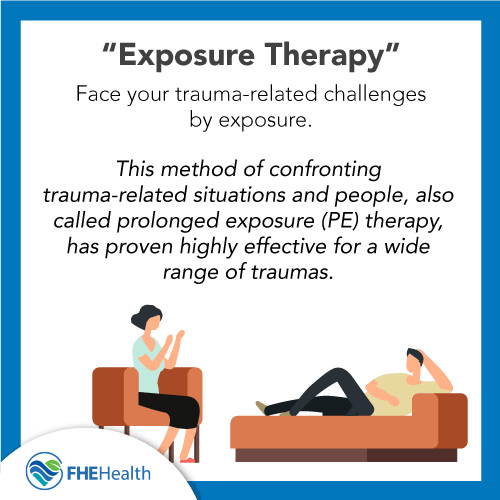 Therapy for PTSD can vary based on a patient’s specific needs, and we’ll work with you to help you choose the most effective options for your circumstances. The most common therapeutic techniques include:
- Cognitive Processing Therapy: CPT, a specific form of cognitive behavioral therapy, can be very effective in treating symptoms of PTSD. CPT focuses on identifying the connections between thoughts and emotions, coupled with formal processing of traumatic experiences. This process may include in-depth writing about the event in question, which can then be deconstructed in future sessions to redirect thoughts and feelings.
- Eye Movement Desensitization and Reprocessing: EMDR is a form of therapy created specifically to address trauma. It centers around an underlying assumption that the symptoms of PTSD are based on a failure to appropriately process a distressing event. Our EMDR therapy sessions in Florida combine controlled exposure to traumatic memories with alternating stimuli (like rapid eye movements) to help you reprocess traumatic experiences.
- Exposure Therapy: Exposure therapy helps desensitize patients to painful or frightening memories by gradually exposing them to images, recordings, or controlled recreations of a traumatic incident. By providing increased exposure to the circumstances of a trauma in a safe environment, you’ll feel more prepared to safely face the reality of a situation.
- Group Therapy: A common tenet in many PTSD treatment programs, group therapy can provide context and support for individuals with PTSD. When discussing experiences and feelings in a group setting, it can be easier for those participating to open up, reveal insecurities, get feedback and gain helpful insight.
Therapeutic methods can be combined for greater efficacy if desired. For example, we often incorporate group therapy into other courses of treatment. We devote significant time to these types of therapies in our outpatient and residential PTSD programs.
Co-Occurring Disorders
PTSD and substance use often occur at the same time. SAMHSA reports that 21.2 million adults had a co-occurring mental illness and substance use disorder in 2024. Some people turn to alcohol or drugs to cope with flashbacks, anxiety, trouble sleeping or emotional pain. However, this can make symptoms more difficult to manage over time.
At FHE Health, we see co-occurring conditions as part of your overall health, not as something separate. If you are dealing with PTSD along with substance use or other mental health issues, your treatment plan can address all of these together.
Is Mental Health Rehab for PTSD Right for Me?
For some people with PTSD, weekly therapy is enough. If symptoms are constantly disrupting your life, a higher level of care might be better.
Mental health rehab may be appropriate if you have PTSD along with depression, anxiety or substance use. At our South Florida FHE Health facility, we adjust treatment to match the severity of your symptoms and the level of structure you need.
Specialized PTSD Treatment in Deerfield Beach
Many people think of rehabilitation as only for addiction. But when trauma disrupts sleep, mood, focus, relationships and daily life, rehab can help those with PTSD. At FHE Health, we offer medical, psychiatric, neurological and therapeutic care in one place. We believe compassion and clinical science go hand in hand, so we create personalized plans that support every aspect of your recovery.
Our PTSD programs combine medical, psychiatric and clinical treatments for a holistic approach to healing. Our accreditations reflect our commitment to evidence-based, high-quality care. Using a series of biometrics, we use tools like brain imaging, blood testing and other techniques to create a customized, highly effective approach to therapy. Through our five-tier neuro-rehabilitative services, we are able to support PTSD treatments with:
- Comprehensive neuro-psychological testing
- Heart rate variability and biosound monitoring
- Quantitative electroencephalography (qEEG)
- QEEG-guided neurofeedback training
- Electrical nerve stimulation therapy
- High-frequency pulsed electromagnetic stimulation therapy
Our team uses these services to support, not replace, evidence-based PTSD therapy. They help our team deliver more targeted care based on your symptoms and track your progress over time.