
If you have a spouse struggling with addiction or living in active addiction, the impact on your own personal life can be equally as difficult as theirs is navigating their own struggle. Ultimately, you are pulled into the whirlwind that is the life of alcoholism or drug addiction because of your spouse’s actions, and its impact can be painful. If you are living with an addicted spouse, how can you help them get their life back on track?
My Spouse Is an Addict and I Don’t Know How to Help
 The disease of addiction is a deadly one. An addicted person’s life becomes totally unmanageable and their entire being centers around attaining their next high. If you are living with an addicted spouse, their actions likely have a direct and painful impact on your own life. Your spouse may become both emotionally and physically abusive, stealing from you or causing you to live in utter fear of how their next bender will end. So what type of options are available to you when living with an addicted spouse?
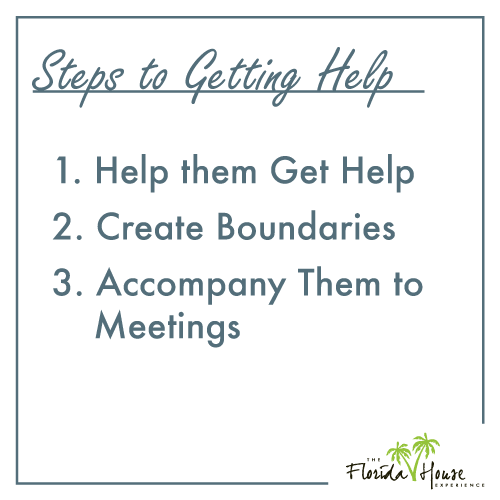
- Help them get help: If your addicted spouse is ready to pursue treatment in order to get their life back on track, you should immediately seek out trusted treatment options from a program that specializes in working with addicted persons. Detox and substance abuse treatment should be your first phone call in order to get your spouse out of the toxic environment they have become accustomed to, and get them into a safe, healing environment that offers rigorous therapeutic intervention for their behavior. Not only does this offer them a reprieve from their ongoing cycle of addictive behavior, but it also offers you a chance to breathe and collect your thoughts while knowing that you have taken a step forward. Most reputable treatment programs offer family therapy in order to work with everyone who may be affected by the addiction, and will help to heal family relationships to sustain their longevity. Not only is this a healing process for your addicted spouse, but for you as well.
- Create boundaries: Living with an addicted spouse can be incredibly difficult. Of course, you love them, you hate to see them in pain, and you want to do everything you can to relieve them of that pain, even at the cost of your own wellbeing. Unfortunately, while this type of action may appear to be beneficial to them, it’s actually not benefiting them. In most cases, when a spouse tries to navigate their addicted spouse’s situation without the appropriate skills and support, they inevitably enable them to continue the addictive behavior. Offering money, shelter, and other privileges associated with being together are simply a way of trying to bring normality to an abnormal situation. Sometimes what the addicted spouse needs is to know how their actions are really impacting you. You shouldn’t have to feel the need to buy a safe or stay up until your addicted spouse falls asleep. In these cases, asking them to the leave the house may be necessary, or cutting up their credit cards to prevent from further financial burden until they become willing to seek treatment. All of these actions are on the table, but in many cases, it can be difficult to do without the proper support. If you have an addicted spouse and do not know how to manage it, be sure to call a local treatment program and inquire about their guidance for how best to handle life at home.
- Accompany them to a meeting: Thankfully today there are many sober fellowships that hold meetings on a regular basis. This can include that of Alcoholics Anonymous (AA), Narcotics Anonymous (NA), amongst others. Meeting schedules can be found online and offer a list of nearby meeting locations and times that can be attended. Al-anon meetings are support groups for family members affected by addiction. These groups are available to you now, free of charge, even while your loved one is in active addiction. Support groups aren’t just for those with the addiction.
There are also, of course, group options for your loved one. These types of meetings are filled with other individuals suffering from the same affliction as your addicted spouse, and all are anxiously waiting to extend a helping hand. The primary purpose of those in these meetings is to help other alcoholics or addicts, which means they will help your addicted spouse. Though your spouse may still need a more rigorous and controlled treatment program to begin with, this is a wonderful opportunity to connect with others locally and obtain contact information of others they can call to speak with and get help working a 12-step program of recovery. The cost to attend these meetings is free, though they often appreciate a minimal donation of $1 into the baskets that are passed around mid-way through the meeting in accordance with the traditions of the program. Addicted spouses truly ready and willing to take the next step should be able to take advantage of the benefits that fellowships such as these have to offer and not shy away from making new friends who understand the journey and what lays on the other side.
Getting Help for Your Spouse
 Ultimately, the sobriety of your addicted spouse is only within their control. No matter how much you love them and want to help them, the decision to take the appropriate actions and do the work necessary to obtain a life of sober joy solely rests on their shoulders. If it becomes too difficult to manage, you should know that you do not have to continue dealing with the pain they cause. You are allowed to distance yourself for your own safety. This may mean separation or divorce, and while we pray it does not come to that, understand that if it does become the reality, you are not to blame for it being the outcome. You have a life to live too, and if your addicted spouse is unwilling to put in the same work that you are to maintain a happy life together, whether you make the decision now or later doesn’t change its inevitability.
However, for those addicted spouses ready to make a change, there is a way out of this disease. Help is readily available by contacting reputable treatment programs experienced and dedicated to the well-being of those admitted. Attending treatment, becoming a regular at local 12-step meetings, and ongoing dedication to a program of sobriety have been shown to bring couples together stronger than ever before. Sobriety is worth it, treatment works, and we have seen it all firsthand.
Call Florida House Today
If you have a spouse addicted to alcohol or drugs, do not hesitate to call Florida House today to discuss how you can help them at 833-596-3502. Our compassionate team of counselors are standing by to take your call.