
While less than 1% of the U.S. population has schizophrenia, about 4.9% of people with this condition commit suicide. For many, schizophrenia rehabilitation is a life-changing treatment that provides relief from symptoms and helps them find happiness again. If you need schizophrenia disorder treatment, FHE Health is your source for evidence-based therapy in a safe, clinical environment.
Start Treatment Now
Treatment can begin quickly and discretely, get started now
What Is Schizophrenia?
According to the National Alliance on Mental Illness (NAMI), schizophrenia is a chronic and severe mental illness that impacts a person’s ability to control their behavior and communicate with those around them. Categorized as a type of psychosis, schizophrenia features erratic behavior, delusions, and intense paranoid behavior. People with the disease can be a danger to themselves and others, especially if the condition goes untreated.
What are the Symptoms of Schizophrenia?
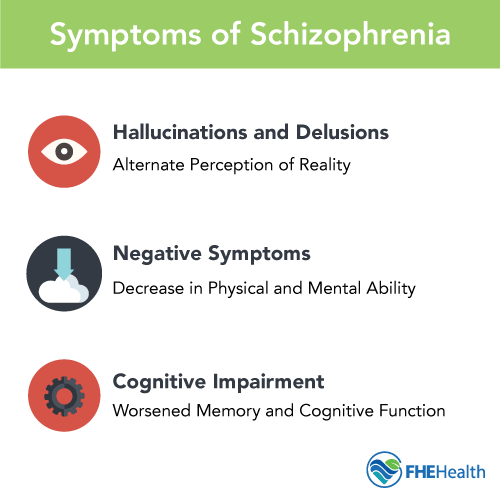 Schizophrenia manifests itself through different sets of symptoms in patients, which can make it difficult to diagnose. There’s no single behavior that provides bystanders a clue that a person might be developing the illness.
Here are the most common schizophrenia symptoms:
- Hallucinations and delusions. Schizophrenic patients might have an alternate perception of reality and exhibit extreme paranoia. They might also hear, see or smell things that aren’t there. This can cause them to behave erratically and unpredictably.
- Negative symptoms. This is an umbrella term for behavior that describes a decrease in a person’s physical and mental abilities. This group of symptoms is common among schizophrenic patients, who can have difficulty communicating or performing basic daily tasks.
- Cognitive impairment. When individuals develop schizophrenia, they tend to exhibit worsened memory and cognitive function. As a result, many schizophrenic people lack the awareness needed to realize that their condition has changed.
These symptoms are fairly broad, which makes schizophrenia notoriously difficult to diagnose. Cognitive impairment and negative symptoms can be misdiagnosed as simpler, more common conditions like anxiety, depression or a variety of other disorders.
How Common is Schizophrenia?
Schizophrenia is one of the rarer mental health disorders in existence, which is part of the reason why the treatment community is continually making new discoveries about it.
According to the World Health Organization, 23 million adults worldwide suffer from the disease. In the US, schizophrenia has only a 1.2 percent rate of prevalence, with about 3.2 million adults experiencing it.
For the sake of comparison, schizophrenia prevalence in the United States is less than that of many other mental health conditions, including general anxiety disorder, social anxiety disorder, post-traumatic stress disorder, and depression.
Need Help?
Treatment can begin quickly and discreetly, get started now
What are Some Predictors of Schizophrenia?
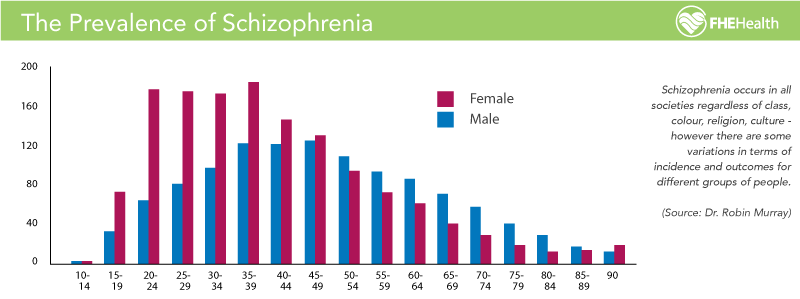
Schizophrenia often develops when a patient is in their mid to late 20s. This is a time when change is common in a person’s lifestyle and habits, making it more difficult to notice when a person’s behavior starts to alter because of mental illness and not development or evolving external factors.
According to NAMI, it’s most common for diagnoses to occur when people are between age 12 and 40.
Prodromal Schizophrenia
In schizophrenics, the years before the diagnosis of the disease are labeled the prodromal years. For teens, prodromal schizophrenia causes social withdrawal, a change in grades and behavior and other symptoms. The problem with early diagnosis is that adults can dismiss these symptoms as common teenage behaviors.
With this in mind, if a person exhibits these behaviors in conjunction with a family history of psychosis, doctors may recommend additional evaluation to catch the signs of schizophrenia before it gets too advanced.
What are the Causes of Schizophrenia?
As mentioned, the causes of complex mental health disorders like schizophrenia are relatively unknown. Factors that cause disorders like this one may include:
- Genetics and brain chemistry. Family histories and pre-existing factors within a person’s brain makeup, such as faulty neurotransmitters, could make them more likely to develop schizophrenia.
- Environmental exposure. Pre-birth exposure to viruses, malnutrition and toxic chemicals are a few of the factors that may contribute to this disorder.
- Substance abuse. Using certain substances, such as marijuana, may trigger psychotic episodes.
Co-Occurring Disorders
The use of psychoactive and hallucinogenic drugs (LSD, for example) may raise the risk level a person has for developing schizophrenia in the future. In addition, people suffering from conditions like schizophrenia are naturally more likely to receive a dual diagnosis with other conditions, such as addiction. This can cause the underlying issue to be more severe and harder to treat successfully.
What are the Treatments for Schizophrenia?
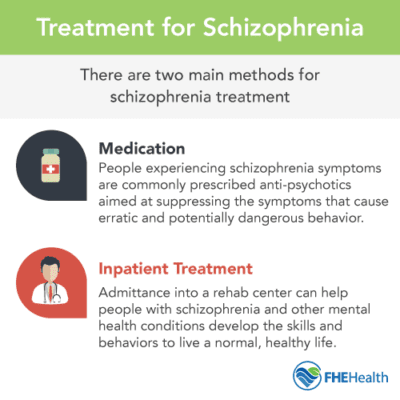
People experiencing schizophrenia symptoms often take antipsychotics aimed at suppressing the symptoms that cause erratic and potentially dangerous behavior. However, one issue with the success of medication-assisted treatment for schizophrenia is that compliance with the treatment is difficult, given patients’ paranoia and erratic behavior.
Inpatient care is another common treatment option. Admittance into a rehab center not only helps schizophrenic patients develop the skills to manage their condition, but it also supports families and caregivers living with a schizophrenic by providing education and resources to navigate daily challenges. Inpatient mental health treatment focuses on stabilizing the body with medication and providing education and counseling so that patients receive the best chance to live free of the damaging effects of their disease.
Why Choose FHE Health for Schizophrenia Rehabilitation
At FHE Health, rehab for schizophrenia starts with an evaluation to determine each patient’s needs and develop a treatment plan. People living with severe, untreated schizophrenia may enter our inpatient program, which allows them to stay at the facility 24/7 as they attend therapy, take classes, eat healthy meals and build positive relationships with fellow residents.
Therapy options include cognitive behavioral therapy (CBT), group and individual therapy, breathwork therapy and expressive arts therapy. We also provide state-of-the-art medical treatments and prescribe medication that may reduce the risk of psychotic episodes. Throughout this process, our team offers family support, allowing our residents to focus on getting better.
Often, residents with schizophrenia need treatment for additional disorders, such as depression, anxiety or post-traumatic stress disorder (PTSD). Our team has the knowledge and experience to treat dual diagnoses, creating a comprehensive treatment plan that covers the full spectrum of the disorder.
Once a resident graduates from the inpatient treatment program, they typically transition to outpatient treatment. This gives them the chance to return to work and resume their daily life while getting therapy and medical care at our clinic. They can also reach out 24/7 when they have questions or need immediate assistance.
Schizophrenia Treatment Frequently Asked Questions


Footer

© 2026 FHE Health
Deerfield Beach, Florida 33441
1-833-596-3502