
Valium is a prescription medication designed for short-term use. When used according to the prescription instructions, it offers temporary relief from anxiety and other distressing symptoms.
Unfortunately, Valium also has addictive properties, causing some people to misuse it. For example, someone who’s prescribed a 1-week course of Valium might continue taking it for months or even years. Learn more about Valium addiction signs, health risks and treatment options.
What Is Valium, and What Is It Prescribed For?
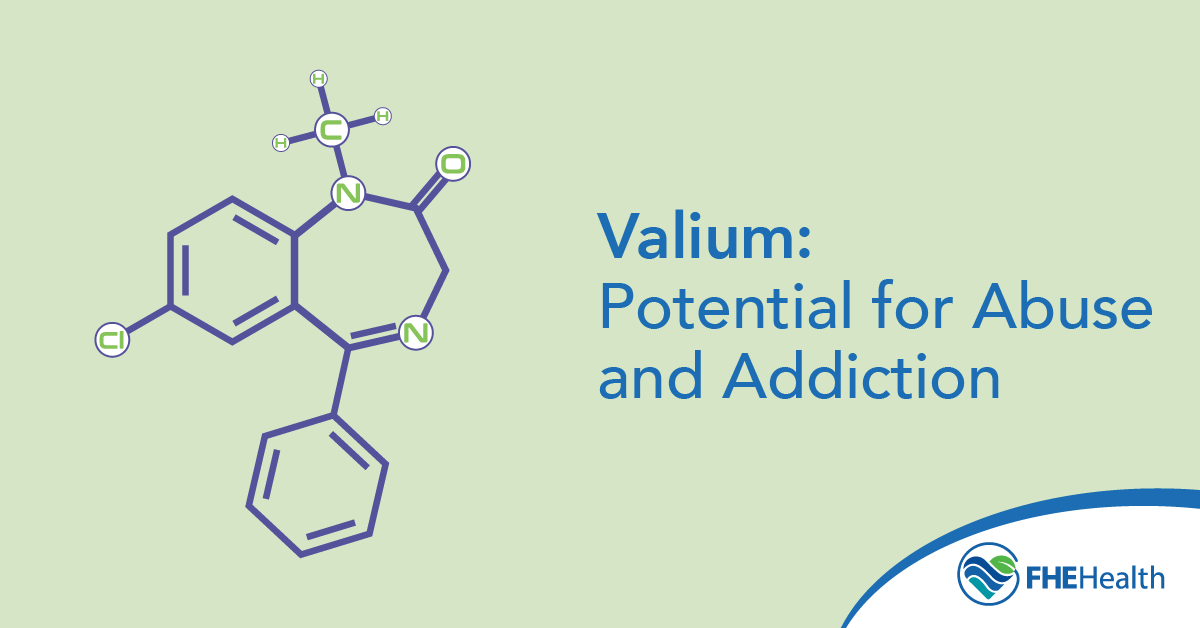
Valium is the brand name of diazepam, a medication classified as a benzodiazepine. It’s prescribed to help with these issues:
- Anxiety
- Seizures
- Muscle twitches
- Muscle spasms
- Alcohol withdrawal symptoms
Benzodiazepines, also known as benzos, slow down the central nervous system. As a result, Valium often causes relaxation, sleepiness and sedation. For some people, these side effects offer a welcome reprieve from anxiety and stress. Over time, it’s possible to develop a dependence on the drug. In other words, Valium’s abuse potential is rather high.
According to researchers from Temple University, dependence is the “primary danger” of regular benzodiazepine use. Taking Valium or another benzo for as little as 2 weeks may cause someone to experience mild withdrawal symptoms after stopping the drug. To avoid these unpleasant effects, some people continue taking Valium even after a doctor advises them to discontinue it.
Is Valium Addictive?
Although some people use the terms interchangeably, addiction and dependence aren’t the same thing. Dependence occurs when the body needs a substance to function, while addiction is a disease that causes someone to continue using a substance even when it’s doing them harm. Because it changes the way a person’s brain works, Valium is an addictive substance.
Need Help?
Treatment can begin quickly and discreetly, get started now
Signs of Dependence and Abuse
Drug dependence isn’t always obvious, but some people display these Valium addiction signs:
- Poor coordination
- Slurred speech
- Dilated pupils
- Sudden changes in appetite
Valium abuse also affects a person’s mood and behavior. For example, someone who’s usually happy all the time might seem “down in the dumps.” Some users become angry or irritable.
Benzodiazepine abuse can also cause sudden behavioral changes. An adult who’s dependent on Valium might start leaving work early or calling in sick. They may have trouble concentrating, leading to missed deadlines or poor work quality. Students abusing Valium may skip class frequently, have difficulty paying attention or fail to turn in assignments.
The behavioral changes associated with Valium misuse can even cause serious legal or financial issues. For example, someone who’s addicted to Valium might take out multiple loans or spend their life savings to ensure they can keep buying the drug.
Health Risks of Long-Term or Unsupervised Use
Overdose is one of the biggest risks of using Valium without medical supervision. When someone overdoses on Valium, they typically experience extreme sedation. Valium overdose may also cause ataxia — a symptom that affects walking, speech, fine motor skills and balance.
Valium overdose also affects the heart and respiratory system. For example, some people experience respiratory depression, a serious symptom characterized by shallow breathing. Respiratory depression causes carbon dioxide to build up in the blood. In severe cases, it can prevent oxygen from reaching the lungs. Respiratory depression typically causes these symptoms:
- Headache
- Nausea
- Vomiting
- Confusion
- Fatigue
- Dizziness
- Blue lips or nails
- Fast heart rate
Long-term use of Valium and other benzodiazepines may also contribute to an increased risk of car crashes. Since Valium affects the central nervous system, long-term use may lead to slowed reaction times, making it more difficult for a driver to respond quickly to changing road conditions. For instance, a driver who’s under the influence of Valium may not be able to stop in time to avoid a rear-end collision.
Valium can even cause cognitive impairment when used over many months or years. Cognitive function involves thinking, reasoning, paying attention, solving problems and recalling information. These are the core skills required to navigate the world. Researchers from Massachusetts General Hospital report that long-term Valium use can affect processing speed, verbal learning and an individual’s ability to understand spatial relationships.
Withdrawal and Detox Considerations
Medical professionals typically recommend that patients taper off Valium. Tapering involves slowly decreasing an individual’s Valium dosage over time, which reduces the risk of severe withdrawal symptoms. Unfortunately, people who misuse Valium may stop taking it suddenly due to a lack of money or an inability to obtain more. This puts these individuals at an increased risk of severe withdrawal symptoms.
Stopping Valium may lead to severe anxiety, difficulty sleeping and intense mood swings. Some people also experience nausea, vomiting, headaches and other physical symptoms. Supervised medical detox can make the withdrawal process more comfortable. In a detox setting, clinical professionals can monitor patients and provide medications to ease withdrawal symptoms. This makes supervised detox much safer than quitting “cold turkey” without any help.
Treatment Options for Valium Addiction
Common treatment options for Valium addiction include inpatient rehab, partial hospitalization programs and outpatient rehab. Inpatient treatment offers access to around-the-clock care in a residential setting. Some people need 24/7 care to help them through withdrawal safely and avoid sudden relapse.
Partial hospitalization is an intensive program involving daily treatment. Participants typically spend the day participating in counseling, group therapy and other activities. The main difference between PHP and inpatient rehab is that PHP doesn’t offer 24/7 care.
Outpatient care is well-suited for individuals who can’t take several weeks off from work or find someone to manage their household duties long enough to attend inpatient rehab. Participants attend counseling and therapy sessions on an outpatient basis, which means they continue working, going to school or tending to their family obligations. This makes addiction treatment more accessible.
Find the Support You Need to Overcome Valium Addiction at FHE Health
Valium addiction signs can disrupt every aspect of your life. The good news is that you’re not alone. If you’re struggling, reach out to the compassionate professionals at FHE Health. Contact us now to speak with someone who understands what you’re going through and cares about helping you recover.
Frequently Asked Questions About Valium Abuse