
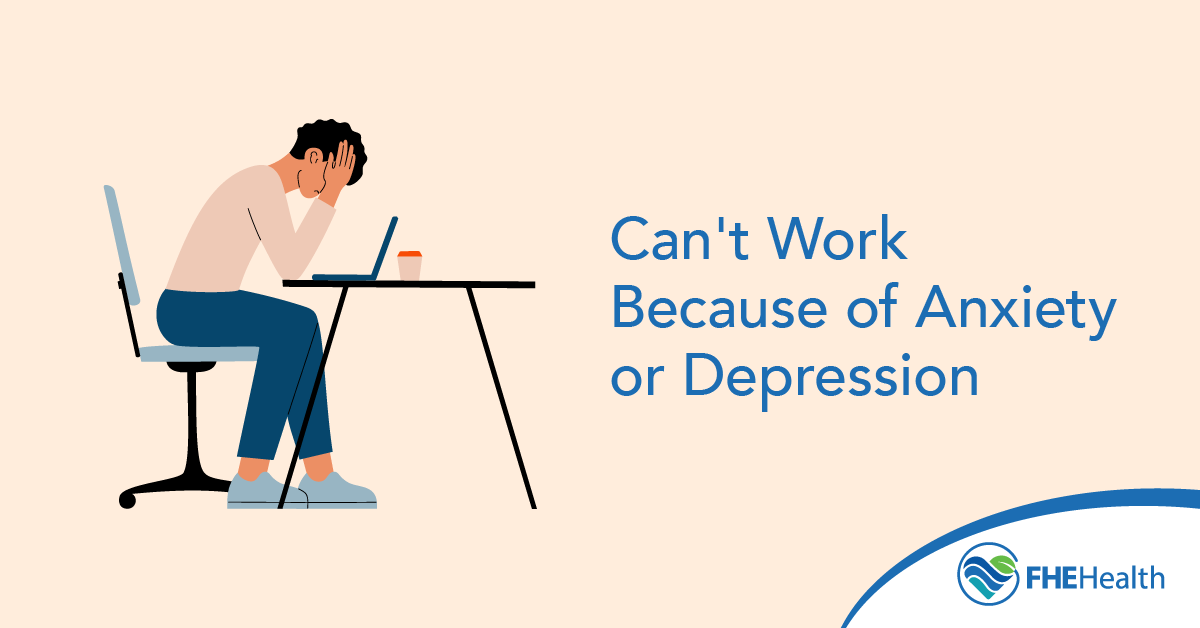
Work is often tied to a sense of purpose and stability. Living with depression or anxiety severely damages a person’s self-worth, so holding down employment can feel impossible. These conditions affect focus, energy and motivation, explaining why individuals often can’t find a job. Depressed individuals may struggle to even get out of bed, let alone show up for work at 8 a.m. sharp.
These struggles are more common than many realize. In the United States, 23.1% of adults experience mental health challenges every year.
How Mental Health Conditions Impact Employment
Depression and anxiety are among the leading causes of workplace disability, affecting millions each year. Some people can push through for a while, masking their symptoms. For others, symptoms mean they simply can’t hold a job. Mental illness quickly interferes with their ability to succeed in the workplace due to:
- Cognitive difficulties. Trouble focusing, memory lapses and mental “fog” make problem-solving and decision-making harder.
- Low energy. Depression causes physical exhaustion, leaving little stamina for long workdays.
- Sleep disruptions. Insomnia or oversleeping affects punctuality and overall performance.
- Physical symptoms of anxiety. Panic attacks, shortness of breath or gastrointestinal issues can disrupt the workday.
A survey by the Bureau of Labor Statistics indicates that around 36% of American employees experienced at least one episode of depression or anxiety. Many also fear disclosing their struggle, worrying it might harm their career. Beyond the personal toll, untreated mental illness leads to an estimated $210.5 billion in lost productivity annually, including absenteeism and reduced work performance.
Recognizing When Symptoms Interfere With Daily Life
Recognizing that you’re too depressed to work is valid. When getting out of bed, preparing meals or managing routine tasks feels impossible, it likely means your symptoms are affecting your daily life and ability to maintain employment.
While most people experience some form of stress at work, when mental illness takes over, it becomes more than a bad day. Recognizing when symptoms are affecting everyday life can help individuals decide when to seek help.
Some warning signs include:
- Missing multiple workdays each month
- Struggling to get out of bed or complete basic tasks
- Experiencing frequent panic attacks before or during shifts
- Constantly worrying about performance to the point of paralysis
- Withdrawing from coworkers, friends or family
Experiencing these symptoms can undermine an individual’s confidence and self-worth. Research shows that untreated depression often worsens over time, especially when combined with stressors like financial instability.
Legal Rights and Workplace Protections
The Americans with Disabilities Act (ADA) requires employers to consider reasonable accommodations for individuals with mental health conditions, such as flexible work arrangements, remote work options or modified tasks.
Under the Family and Medical Leave Act (FMLA), you can take up to 12 weeks of unpaid leave for a serious health condition, which includes depression or anxiety. Employers can also offer employee assistance programs (EAPs), which typically include counseling, referrals and other support resources. You may also qualify for disability leave through Social Security Disability Insurance if symptoms significantly impair your work capacity.
Despite existing legal safeguards, the stigma surrounding mental health conditions remains a barrier to receiving support. Many workers hesitate to ask for help, fearing judgment and criticism. However, employees only need to share enough information to justify accommodations; specific diagnoses remain confidential. For additional guidance, many workplaces offer EAPs with counseling and referral services.
Navigating Time Off, Disability or Workplace Accommodations
When symptoms of mental illness are making it impossible to continue your current work routine, several options are available. You may request reasonable accommodations, such as a modified workload, a flexible schedule or remote work. If you’re eligible, short-term disability benefits can provide partial wage replacement while you focus on treatment. When you need more time to focus on treatment, taking FMLA leave can give you job protection while you take unpaid time to recover.
The best place to start is your primary care provider’s office. Request documentation that demonstrates how your condition impacts your work. Use that to request FMLA leave or ADA accommodations. Be sure to follow your company’s formal procedures and submit requests in writing, along with supporting documentation. Also, involve HR or occupational health when necessary. If your employer resists, consulting a legal advisor or disability advocate can help protect your rights.
Getting Help and Support
Mood disorders can be severe, but they’re generally treatable. Most people with depression respond well to therapy, medication or a combination of the two. In addition to a change of schedule or taking time off work, a health care provider might suggest one or more of the following to help guide you towards recovery:
- Talking therapies. Evidence-based approaches such as cognitive behavioral therapy help challenge distorted thoughts and improve symptoms.
- Medication. Antidepressants and antianxiety medications can restore chemical balance in the brain.
- Support groups. Both in-person and online groups can offer connection and shared understanding.
- Lifestyle changes. Implementing a light exercise routine, healthy sleep habits and a balanced diet may improve outcomes when combined with therapy or medication.
Planning a Return to Work or a New Path
After time away, returning to work can feel intimidating. Building back slowly helps restore confidence. A phased approach, combined with regular clinical care or accommodations, may help ease the transition.
Setting routines that include meaningful activities, rest and self-care helps maintain gains and build resilience. For some, accommodations make it possible to stay in their current career. For others, pursuing a new path that better suits their needs may be the healthiest choice. Either way, recovery is a process, not a straight line.
Employment Problems? Can’t Find a Job? Depressed?
If anxiety or depression is making it hard to work, know you’re not alone. Our programs combine therapy, medication and holistic support to help you reclaim balance. The team at FHE Health is available 24-7, ready to listen and guide you toward a healthier future. Reach out today.