
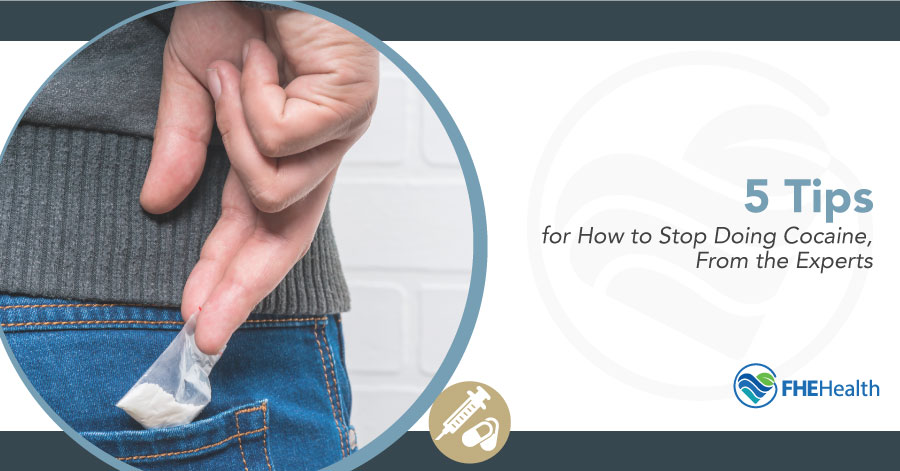
Cocaine is classified as a hard drug and is illegal to possess or consume. That has not stopped it from developing a reputation for being safer than drugs like meth and heroin, thanks to its use among investment bankers and rave goers.
The reality is that cocaine is as dangerous, and its use can be fatal. Overdose deaths involving cocaine have risen sharply in recent years. From 2019 to 2022, cocaine fatalities increased 73.5 percent, according to data from the National Institute on Drug Abuse. This trend is largely due to the emergence of fentanyl in cocaine supplies but may also be helped by increasing numbers of young adult users.
Cocaine is very addictive. Its negative health effects make living a healthy life impossible. The addiction can also damage other areas of life, from relationships to financial security. In the sections that follow, we’ll unpack these and other dimensions of cocaine addiction and offer five tips for how to stop using the drug.
Understand the Effects of Cocaine
Cocaine’s Short- and Long-Term Effects
Cocaine can have various adverse effects on physical and/or mental health. Severe medical complications can include heart attacks, seizures, strokes, and coma. Long-term cocaine use can damage major organs of the body, especially the heart and the brain. It can lead to Parkinson’s and cognitive impairments like memory loss.
In addition to these physical and cognitive effects, users can experience mental health effects like anxiety, panic, and paranoia. Long-term cocaine use at higher doses can intensify these effects and even trigger auditory hallucinations and psychosis.
Cocaine’s Impact on Physical/Mental Health and Relationships
Cocaine use can quickly morph into an addiction. The stimulant produces feelings of euphoria by rapidly flooding the brain with dopamine. Withdrawal and cravings soon set in once the drug leaves the system. That can contribute to a developing pattern of addictive behavior, by which the user compulsively seeks out and uses cocaine, despite the negative consequences. Cocaine addiction, like other substance use disorders, is also defined by changes to brain circuits associated with reward, stress, and self-control.
Signs and Symptoms of Addiction
Cocaine use can manifest in different ways, but some of the symptoms may be:
- Erratic behavior
- Extreme excitability
- Paranoia
- Loss of appetite
- Overconfidence
- Dilated pupils
- Inability to sleep
Need Help?
Treatment can begin quickly and discreetly, get started now
What are the Signs of Cocaine Use?
Any of the following issues may also be signs of a developing cocaine addiction:
- Financial problems: Cocaine is expensive to obtain. Dwindling savings, a reduction in income, or any other financial issues when coupled with other side effects may indicate addiction.
- Disinterest in hobbies: When drugs take over, it’s not uncommon for hobbies and other interests to fall by the wayside. Users start to cancel plans, quit organized events and retreat into drug use.
- Relationship troubles: When drug use starts to dominate, it’s not uncommon to see the side effects manifest in relationships. Whether it’s strange behavior from drugs or financial issues from excess spending, cocaine abuse can strain even the best relationships.
- Lying and hiding activities: As drug use accelerates, it’s not uncommon for users to attempt to hide behavior, lie about plans or otherwise work to make sure their use isn’t noticed.
Successfully quitting a cocaine habit requires motivation. Understanding the fuller extent of cocaine’s toll on the brain and body, as well as the drug’s impact on other aspects of one’s life, can provide this motivation. It is a crucial first step on the way to severing ties with the drug.
If you’re not motivated to get clean on your own, take time to consider what cocaine has taken from you. Have you lost your job? Failed to receive a promotion? Caused trouble in your romantic relationship? Strained bonds with your family? Withdrawn funds from college savings for your children or your retirement accounts? Cocaine use can affect all parts of your life, so examining what your use is costing you can help you find the motivation to get clean.
Identify Triggers and Cravings
Triggers can be just about anything that makes you crave cocaine and seek it out. Common triggers might be, for example:
- people, places, or things associated with cocaine use
- times of the day or week
- moods or feelings
Identifying your cocaine triggers is critical. Once you know what they are, you can develop a plan for how to avoid them or manage them in healthier ways.
A good technique for identifying triggers is to spend some time thinking about the timeline that leads up to cocaine use:
- What people, places, or things precede or coincide with it? Do you only use cocaine when you’re out clubbing with a certain crowd or after drinking at the bar?
- What mood(s) were you experiencing prior to using cocaine? Were you feeling stressed out or down?
- What day(s) have you usually used cocaine?
Jot this information down and carry it with you on your phone as a reminder of triggers to watch for and avoid.
Build a Support System
A good support network is essential to getting clean. You need people to lean on when you’re feeling cravings, talk to about your feelings, and turn to when struggling to make sense of your experiences with substance abuse.
Support groups can provide much-needed encouragement and accountability. 12-step groups like Alcoholics Anonymous and Narcotics Anonymous have helped many people find long-term sobriety. You can access NA groups near you and search their directory of virtual and in-person meetings, by visiting their website here.
While staying clean isn’t easy and the temptations to use may never go away, the right people around you can help you stay on the path toward lifelong freedom from cocaine.
Friends and family also belong to your support system and may need to know about your decision to quit cocaine. This conversation with loved ones can be hard to broach and may elicit strong opinions and emotions. Don’t let that intimidate you. Come up with a script for what you want to say and stick to it. Be sure to include some mention of how your loved ones can support you in your effort to get clean.
Develop Coping Strategies
Healthy Habits and Activities
Find some healthy alternatives for managing the stress and other emotions which trigger cocaine cravings. Activities like mindfulness, exercise, and hobbies can be especially helpful:
- Subscribe to an app like Headspace or join a local meditation or centering prayer group.
- Start a fitness routine. Get a gym membership. Join a running club or start training for a 5k or marathon.
- Learn a new instrument, play ultimate frisbee, join a chess club, or start a blog. The options are endless.
Instead of finding yourself with idle time and letting temptation take over, use your newfound sobriety to explore new passions and pursuits or take up old ones. With something new to think about and take up time in your day, it’s easier to leave drugs in the rearview mirror.
Avoiding Temptations
As you are pursuing these healthier ways to spend your time, another important coping strategy is to avoid the old temptations associated with cocaine use. Cravings are hard to control under even the best circumstances, and putting yourself back in the mindset you held while you were using makes staying clean even more challenging. Instead, don’t let these old habits come creeping back.
Turn down party invitations, stay away from areas where you used to use, and pass on plans that would have involved drug abuse before you got clean. It may be hard to let long-time friends know that you need to make a clean break for your own health, but ridding yourself of reminders of your previous life can be essential to avoiding temptation.
Creating a Personalized Coping Plan
Having a personalized coping plan for managing urges to use cocaine is also important. The plan lays out what to do, who to call for support, and some healthy activities for self-distraction when cravings call. This plan should include a short list of contacts who can be called in a moment of weakness, to ensure you’re able to reach someone in your moment of temptation.
A good plan should also have a well-developed list of things you can do to withstand urges to use. A study in 2005 found these sorts of strategies and activities reduced cocaine use:
- Thinking about negative or positive consequences
- Distraction
- Alternative behaviors and clean recreation (such as exercise or hobbies)
- Relaxation/meditation
- Keeping busy
- Not carrying much money
- Being with people who do not use cocaine
Need Help?
Treatment can begin quickly and discreetly, get started now
Seek Professional Help
Going cold turkey alone may feel like a more convenient way to get clean, but it’s not the best way to kick the habit. Without oversight and support resources, it’s easier to fall back into old patterns and ways.
Often, the surest way to leave cocaine behind once and for all is to seek professional help. Medical professionals and addiction specialists can diagnose and treat the often complex mental, emotional, and physical aspects of a cocaine problem. They also can identify and address its causes. If certain life stressors or mental health issues are contributing to cocaine use, they can prescribe medications and teach healthy coping skills.
If you have been struggling to quit cocaine on your own, the most effective treatment route is inpatient rehab, consisting of intensive group and individual therapies in a safe, stable, cocaine-free living environment. With medical staff available to lessen the side effects during detox, counselors experienced in addiction medicine, and a supportive group environment, inpatient rehabilitation can ease the transition to a life free of cocaine.
Many professional treatment centers like FHE Health also operate on a step-down basis. For example, after inpatient treatment, partial hospitalization and intensive outpatient programs can help individuals assimilate back into normal life at a gradual, more comfortable pace.
If you or someone you love is living with an addiction to cocaine, it can help to know that with the right supports, many people have successfully recovered from a cocaine habit.
For help with next steps in finding professional treatment, call the Substance Abuse and Mental Health Administration’s helpline at 1-800-662-HELP or contact FHE Health for more information about treatment options.
Conclusion
Quitting cocaine takes motivation, commitment, and effort. These five tips can make the process easier: understand the effects of cocaine; identify triggers and cravings; build a support system; develop coping strategies; and seek professional help.
Cocaine use is a serious issue. While quitting without outside intervention is possible, it is not recommended. A professional treatment center with the trained oversight by medical professionals can make the process safer and easier and provide a stronger foundation for long-term success in recovery.
If you don’t succeed at quitting cocaine the first time or more than once, don’t give up. Be gentle with yourself. Eventually, with the right supports, you can get there.