
First Responder & Veteran Rehab Program
First responders and veterans are exposed to pressures, trauma and loss that can take a lasting toll on mental health and substance use. Shatterproof FHE Health provides specialized treatment in a setting where the culture of service is understood, so care can focus on what you’ve experienced without asking you to explain the job first.


The Weight of the Work: How Trauma Affects First Responders
Military and first responder professions are built around discipline, composure, teamwork and putting others first. Those strengths are everything on the job, but they can also make it harder to recognize when trauma, stress or substance use has become difficult to manage alone.
Firefighters
Firefighters routinely face fires, serious injuries, fatalities, rescues, disasters, long shifts and disrupted sleep. Shatterproof FHE Health treats trauma, stress, sleep problems, substance use and other mental health concerns within the context of the job itself.
Firefighter mental health guide
Police Officers
Police officers make high-stakes decisions in seconds while staying alert to danger for hours at a time. Our program treats the effects of hypervigilance, trauma exposure, chronic stress and substance use in a setting that understands law enforcement culture.
Mental health care for law enforcement
EMS Personnel
EMTs and paramedics move from one crisis to the next, often with little time to process what they’ve just seen. We treat the mental health and substance use effects of repeated exposure to severe injuries, deaths, overdoses and difficult outcomes.
Mental health care for EMTs and paramedics
Veterans
Military trauma can continue long after active duty ends, especially for veterans who later enter other high-stress public safety careers. Treatment considers each person’s service history, trauma exposure, current symptoms and life today.
Resources for veteransWhat Is Shatterproof FHE Health?
Shatterproof FHE Health began in 2016 as a direct response to a gap in addiction and mental health treatment. First responders and veterans needed a program built around the specific traumas of their service, with clinicians who understood the culture, pressures and experiences that come with the job.
What sets Shatterproof FHE Health apart:
- Founded specifically for first responders and veterans
- Staffed by many clinicians and counselors with first responder or military backgrounds
- Built around the culture, code, pressures and trauma exposure common in these professions
Watch: Inside Shatterproof FHE Health
That foundation still shapes how the program operates today, from who we hire to how we structure treatment. Therapies and technology continue to evolve, but the focus remains the same: care built specifically for people who have spent their careers serving others.
We offer confidential first responder and veteran recovery support for mental health and substance use. Reaching out, asking questions and getting help are all handled privately and securely.
When the Job Follows You Home
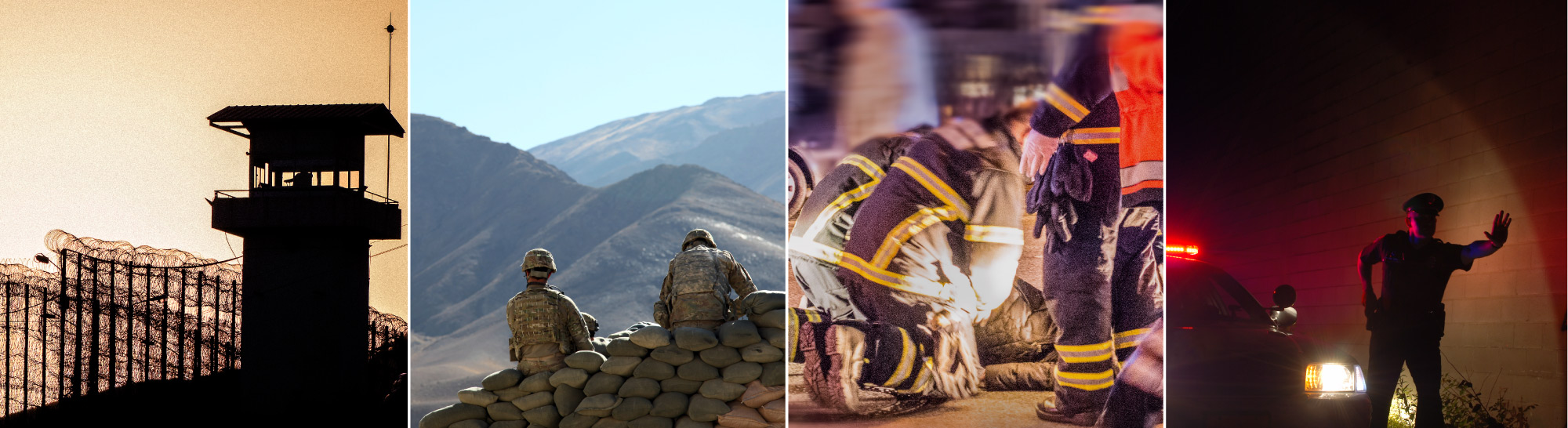
First responders face crises, disasters, violence and loss far more often than most people ever will. According to the Substance Abuse and Mental Health Services Administration (SAMHSA), about 30% of first responders develop a behavioral health condition such as PTSD or depression, compared with 20% of the general population. Symptoms may build gradually over years of service.
Here’s what those symptoms can look like:



Why Asking for Help Can Feel So Hard: Facing Stigma
Resilience is not the same as ignoring a problem.
For many first responders, one of the biggest barriers to treatment is feeling comfortable enough to ask for it. The job demands composure, self-reliance and the ability to keep moving when other people are in crisis, so admitting that stress or trauma is taking a toll can feel like a liability.
But recognizing that the work is affecting your mental health and getting treatment improves your well-being, relationships and ability to function on and off duty. Reducing mental health stigma starts with understanding that asking for help is a healthy response to a medical issue.
How Unions Can Open the Door to Treatment
For many first responders, getting treatment comes with concerns about confidentiality, benefits, time away from work, job security and reputation. A trusted union can help members understand their options, access benefits, connect with treatment resources and navigate the process with less uncertainty.
Unions also play an important role in changing the culture surrounding mental health. When leaders openly acknowledge PTSD, addiction, depression, anxiety and other behavioral health concerns, they reinforce that seeking care is not a failure of character or commitment to the job. Learn more about how unions support first responder mental health.
FHE Health works with first responder organizations, including the Fraternal Order of Police (FOP), the Police Benevolent Association (PBA) and the Firefighters Mutual Benevolent Association (FMBA), to connect members with specialized care. Early support can be especially valuable when substance use is involved, before the effects reach a person’s health, relationships or career. See our treatment resources for union members.
Trauma, PTSD and Co-Occurring Care at Shatterproof FHE Health
Trauma and PTSD are central to what Shatterproof FHE Health treats, often alongside substance use and other co-occurring conditions. Many first responders come to us after years of repeated trauma exposure, so treatment is built around the full clinical picture rather than a single incident or diagnosis.
Treatment From People Who Understand the Job
 Dr. Sachi Ananda Director of Shatterproof FHE Health
You shouldn’t have to explain the job before you can talk about what it did to you.
One of the biggest barriers to care for first responders is the fear that a civilian therapist won’t understand the culture, pressures or realities of the job. Shatterproof FHE Health addresses that directly: many of our clinicians and counselors are former first responders or veterans themselves.
That experience shapes treatment in practical ways:
- Many of our clinicians and counselors have first responder or military backgrounds
- Your treatment team understands the professional code, values and stressors that come with the work
- You’ll process alongside other first responders and veterans who bring many of the same experiences into the room
Research published in the American Psychiatric Association’s journal Psychiatric Services notes that cultural competence in health care is associated with better treatment engagement and lower attrition, and that military and veteran culture is part of that competence. At Shatterproof FHE Health, that shared understanding, along with our peer community, helps create a setting where patients can speak more openly and stay connected to treatment.
Shatterproof FHE Health Levels of Care
Patients in Shatterproof FHE Health move through a continuum of care based on the levels defined by the American Society of Addiction Medicine (ASAM). Each level reflects what a patient needs at a given point in recovery.
Residential/Inpatient
Residential treatment is the highest, most intensive level of care, for first responders and veterans with more severe or co-occurring conditions. Patients receive supervised care 24/7 with a full day of group and individual therapy. For some patients, care begins with medically supervised detox.
Partial Hospitalization (PHP)
PHP provides a structured day of group and individual therapy without a residential requirement. It is often a step down from residential care, keeping treatment intensive while patients build independence. Designated program housing is available.
Intensive Outpatient (IOP)
IOP includes three hours of group therapy and one hour of individual therapy, and each patient is evaluated for all ancillary services. IOP is a good fit for first responders who are still working. Designated program housing is available.
Schedules and hours described here are examples only. FHE Health’s actual programming varies by patient and program. Consult with admissions for current schedules. Learn more about how PHP and IOP work.
Alumni and Aftercare
After completing treatment, graduates of the program stay connected through our Alumni and Aftercare Program, which includes:
- Our strong alumni support system
- Referrals to first responder-specific support groups in the patient’s home area
- Case managers who set up psychiatric and therapeutic referrals with providers experienced in first responder care
Support for First Responder Families and Loved Ones
Recovery doesn’t happen in isolation. Shatterproof FHE Health extends family support to spouses, partners and family members through resources designed specifically for the people who stand beside first responders.
Stronger Together
A support group for spouses and significant others navigating the stress of loving and supporting a first responder.
Learn more about Stronger TogetherFirst Responder Families Podcast
Monthly conversations on trauma, communication, EMDR and family wellness within the first responder community.
Listen to the podcastFamily Education Program
Trauma-informed education that helps families better understand mental health, recovery and how to provide meaningful support.
Explore family supportWhy First Responders Choose Shatterproof FHE Health
Choosing treatment means deciding who you’ll trust with some of the hardest parts of your career and your life. Shatterproof FHE Health is different from a general treatment program that simply accepts first responders. It was built around the culture, trauma, pressures and needs of this community from the beginning.
You’ve Spent Your Life Protecting Others. Let Us Help You Protect Your Future.
The work you do asks a lot of you. When trauma, PTSD, substance use or other mental health concerns start taking something back, you deserve care from people who understand where that weight comes from.
Speak with our team confidentially about what recovery could look like for you.