
When you’re considering how to get off Suboxone, it’s important to understand this journey will be unique to you and require a personalized approach. Opioid use disorder (OUD) recovery isn’t a one-size-fits-all process. What works for one person may not work for another, which is why medical supervision and individualized planning are essential when discontinuing Suboxone treatment.
Why Tapering Is Necessary: Avoiding Withdrawal and Relapse
Abruptly stopping Suboxone treatment can trigger severe withdrawal symptoms and significantly increase your risk of relapse. According to the Substance Abuse and Mental Health Services Administration, the active ingredient in Suboxone has a long half-life and stays in your system for extended periods. However, sudden discontinuation can still cause uncomfortable physical and psychological symptoms that may drive you back to opioid use.
The knowledgeable team at FHE Health can explain how a gradual taper lets your brain and body slowly adjust to decreasing levels of the medication. This approach minimizes withdrawal discomfort and gives you time to strengthen coping mechanisms and support systems to sustain your recovery long-term. The tapering process respects your body’s need for adjustment while reducing the risk of experiencing overwhelming symptoms and derailing your progress.
How Suboxone Works and Why It’s Prescribed
 Suboxone combines buprenorphine and naloxone to treat OUD. Buprenorphine is a partial opioid agonist that activates opioid receptors in your brain but produces a much weaker effect than full agonists like heroin or oxycodone. This allows the medication to help reduce cravings and withdrawal symptoms without producing the intense euphoria associated with opioid misuse.
The naloxone component helps prevent abuse by blocking opioid effects if a person tries to inject the medication. Health care providers prescribe Suboxone as part of medication-assisted treatment for OUD because it stabilizes brain chemistry and lets you focus on behavioral therapy and rebuilding your life without having to deal with cravings and withdrawal symptoms.
General Timeline and Stages of Tapering
 The ideal Suboxone withdrawal timeline and tapering schedule can vary significantly based on your dosage, how long you’ve been taking the medication and your individual physiology. A slower taper lasting 6 months or longer can result in a better outcome than a rapid process. At FHE Health, we can give you all the information you need about getting started.
Most tapers follow a gradual reduction pattern over several months.
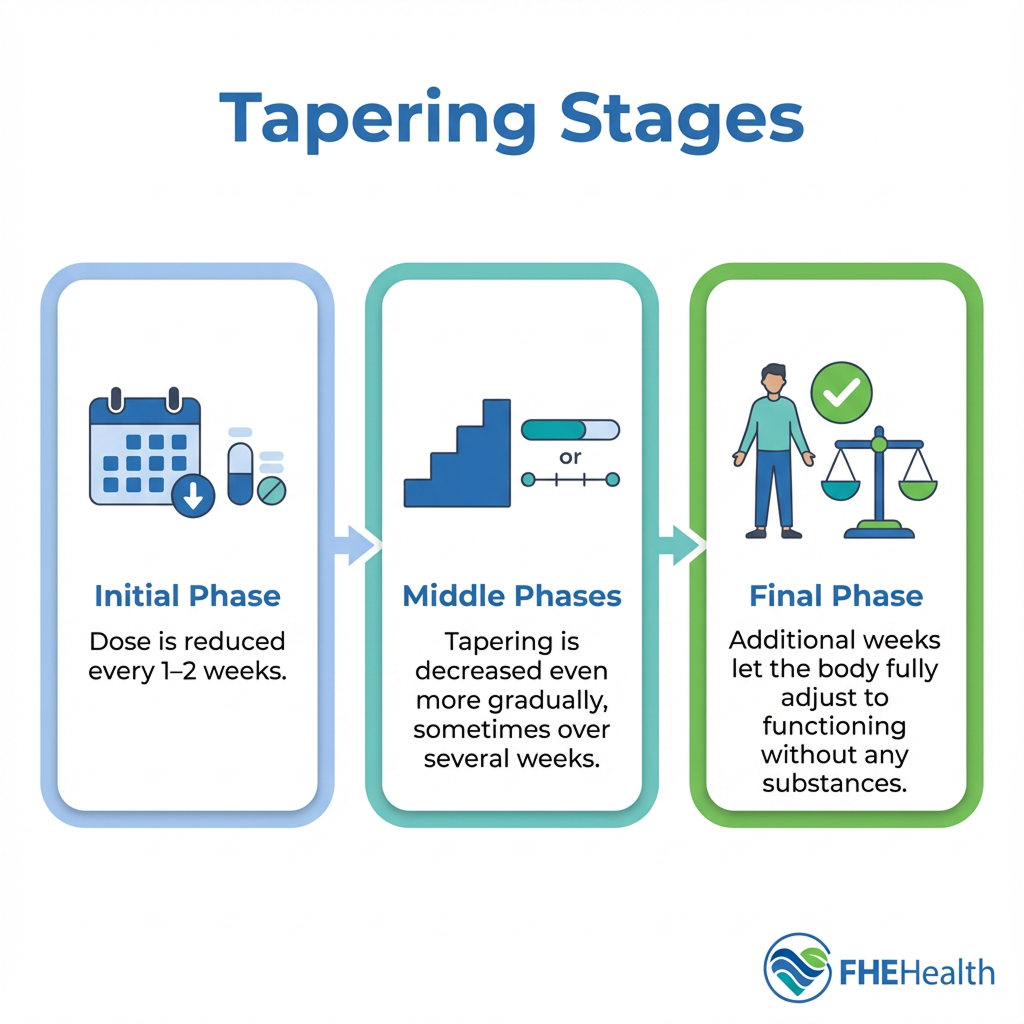
- Initial phase. Your provider may reduce your dose every 1–2 weeks during the first phase.
- Middle phases. As the dosage is decreased, tapering often gets even more gradual as your body becomes more sensitive to the dosage changes. Some people spend several weeks at each dosage increment.
- Final phase. The last phase of discontinuing the medication may take additional weeks to let your body fully adjust to functioning without any external opioid receptor stimulation. Patience is crucial, as rushing the taper can increase discomfort and the likelihood of relapse.
Working With a Medical Provider to Create a Safe Plan
You should never attempt to taper off Suboxone without ongoing medical supervision. Your health care provider can assess multiple factors including your current dose, duration of treatment, mental health status, social support and history of substance use to design a personalized tapering schedule.
During regular appointments, your provider can monitor your progress and adjust the taper speed based on how you’re responding. If you experience severe symptoms or increased cravings, they may slow the taper or temporarily pause it. Some providers use flexible dosing strategies so you can adjust within a predetermined range based on your daily symptoms.
Your medical team should also coordinate any necessary mental health treatment and ensure you have access to counseling or support groups throughout the process. Maintaining open communication with your provider about your experiences — both positive and challenging — can help them make informed decisions about your care and ensure you don’t have to navigate this journey alone.
Physical and Emotional Symptoms During the Taper
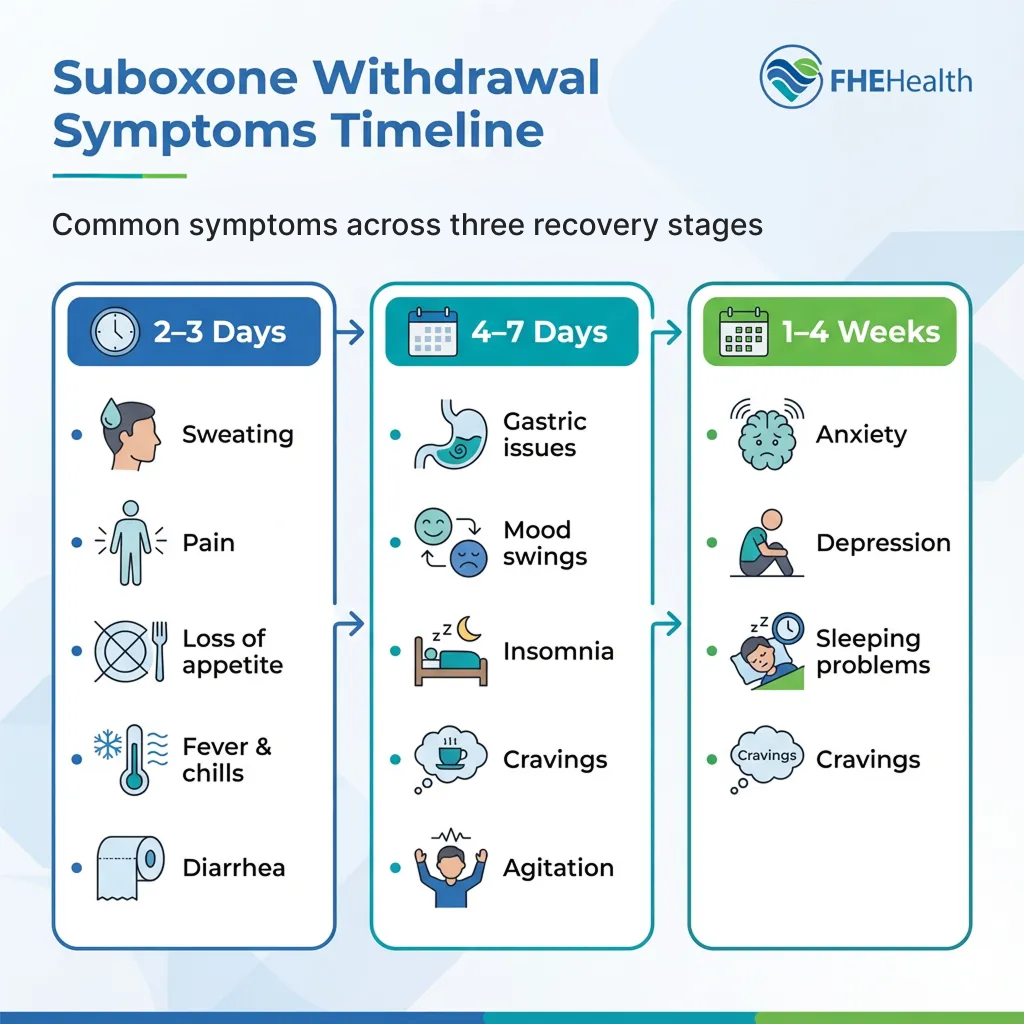
 Even with a gradual taper, you may experience withdrawal symptoms as your dose decreases. Physical symptoms can include muscle aches, sweating, insomnia, digestive issues, fatigue and restlessness. These symptoms are typically mild to moderate with a proper taper, but may intensify as you reach lower doses.
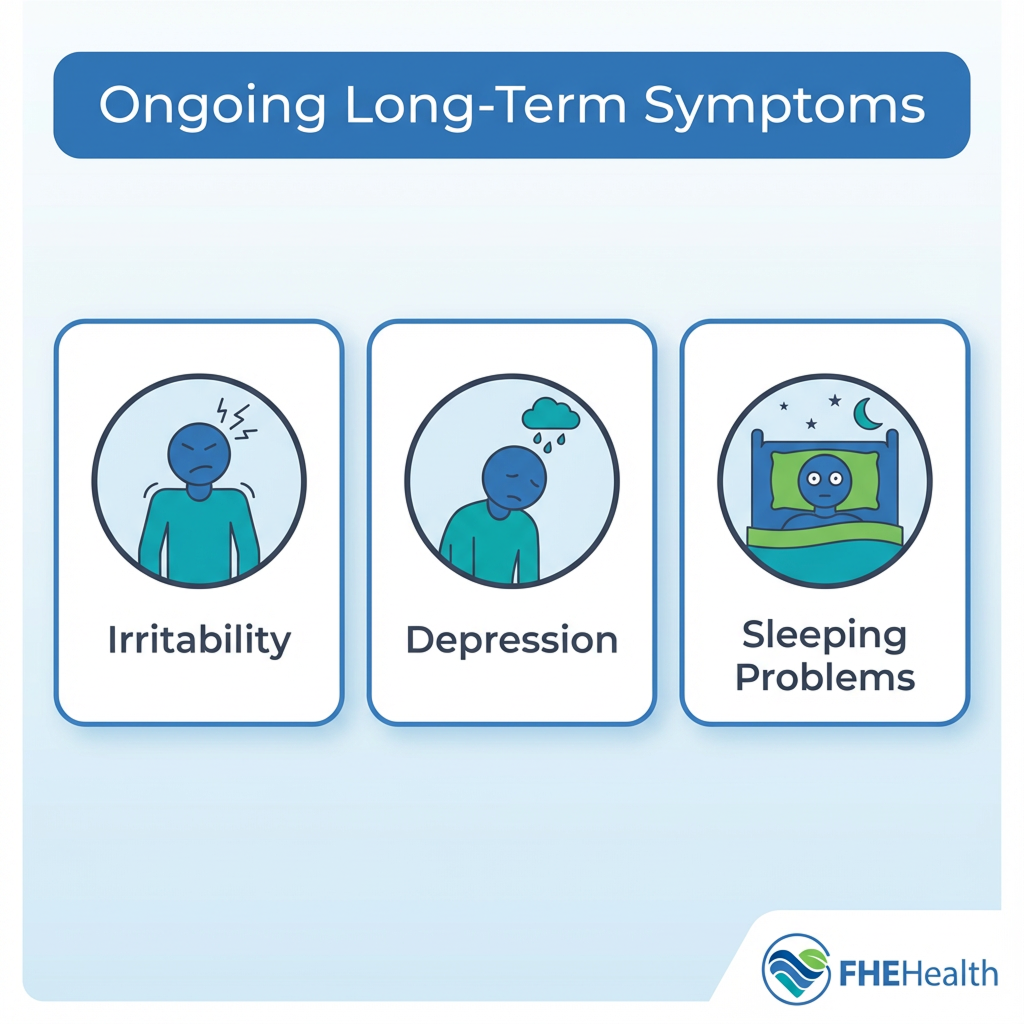
Emotional and psychological symptoms often prove more challenging than physical ones. You may experience anxiety, depression, irritability, difficulty concentrating and intense drug cravings. Some people describe feeling emotionally raw or experiencing mood swings as their brain recalibrates its natural endorphin production.
Knowing these symptoms are temporary and part of the healing process can help you stay committed to your taper. Most acute symptoms resolve within a few weeks after complete discontinuation, though some people experience prolonged post-acute withdrawal symptoms that may last several months.
What Support Systems Are Helpful During This Process?
Surrounding yourself with a strong support system can dramatically improve your chances of successfully tapering off Suboxone. Consider engaging with multiple types of support. At FHE, we offer individual therapy and group counseling, but you might also consider joining a 12-step program or another peer support group.
Family and friends who understand your recovery journey can provide emotional encouragement during difficult moments. Being honest about your tapering process with those in your support network can help them recognize when you need additional help.
Developing healthy routines that include regular exercise, good sleep hygiene, nutritious eating and stress-management techniques such as meditation or yoga can ease withdrawal symptoms and improve your overall well-being. Many people find staying busy with meaningful activities and maintaining structure in their daily lives helps distract them from cravings and discomfort.
Don’t underestimate the value of connecting with others who’ve successfully tapered off Suboxone, as their experiences and strategies can provide both hope and practical guidance.
Take the Next Step Toward Lasting Recovery With FHE Health
If you’re ready to explore how to get off Suboxone safely, FHE Health offers comprehensive addiction treatment programs with medical supervision to aid you throughout your tapering journey. Our experienced team can create an individualized plan to address your physical, emotional and psychological needs. Contact us today to discuss your options and take the first step toward a life free from opioid dependence.