
Addiction is a serious health issue across the country and here in Florida — and choosing the right level of care is one of the most important decisions you can make on the path to recovery. The good news: effective recovery options exist, and the right program can be the difference between long-term sobriety and another setback.
Two of the most common treatment options are inpatient and outpatient care. Let’s take a look at how each one works, the trade-offs of each, and how to determine which is the best fit for you or someone you love.
Inpatient Treatment
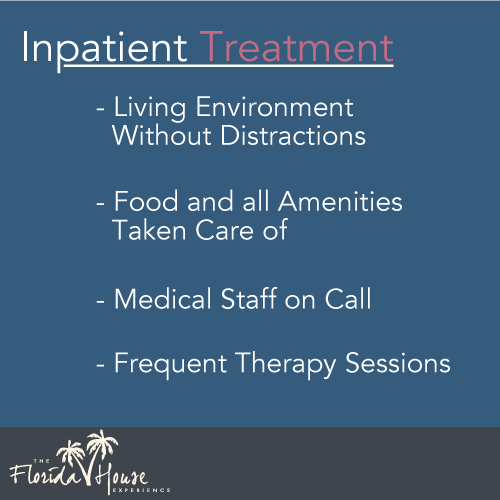
Inpatient treatment requires a stay at a facility while treatment is provided. This type of treatment can take place at either a hospital or at a residential treatment facility. While at an inpatient facility, the patient doesn’t leave for any reason. They live in the facility, eat meals there, and have very structured activities that typically include therapy, medication management, skills training, and more. There are typically other therapies available as well such as yoga classes and exercise facilities.
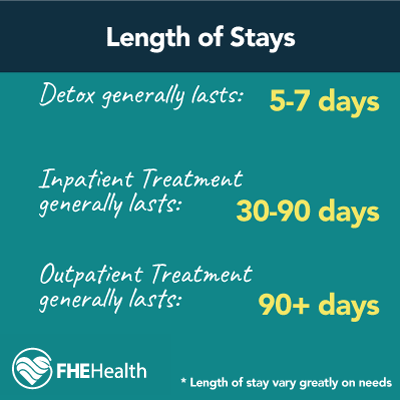
This form of addiction treatment allows for a radical change in how individuals make choices, and how they think about themselves and substances of abuse. Typically, inpatient programs can run anywhere from 30 days to 90 days and can vary in intensity depending on the length of stay, the patient’s medical requirements, and the individual’s emotional capacity for stress. In some cases, a program can last as long as 6-12 months, however, those programs are less common.
Types of Inpatient Treatment
When it comes to inpatient treatment, there are several options available. Those options include:
- Long-term residential treatment – This type of residential treatment program can last up to 90 days and offers round-the-clock care. Care is typically offered in a non-hospital setting, with medical guidance from nurses and an onsite doctor. The focus of a long-term treatment program is to rebuild a person’s social structure and interaction with their community. Therapy is a major focus during treatment, with the therapists helping patients overcome self-destructive behaviors and learn to accept personal responsibility for their actions.
- Short-term residential treatment – This type of program is typically shorter than its long-term counterpart, usually lasting less than 90 days. Short-term treatment can be done in either a hospital or residential treatment facility. After a patient completes their treatment, they are typically referred to an outpatient facility where they can continue their treatment. With short-term treatment, the residential part of the program is part of a larger, longer-term program. The primary focus of short-term residential treatment is detox from the substance and an introduction into talk therapies.
- Sober living homes – A sober living home is a group home where all those living in it maintain their sobriety by adhering to a strictly sober environment. Sober living homes don’t offer detox or any sort of medications management services. Because of that, they are typically occupied by people that have already undergone some form of inpatient treatment. People living in sober living homes should have jobs, pay rent, and maintain their own therapy schedules. The sober living home staff, however, maintains the quality of the facility and ensures that no intoxicating or addictive substances end up coming into the home in any capacity.
Outpatient Treatment
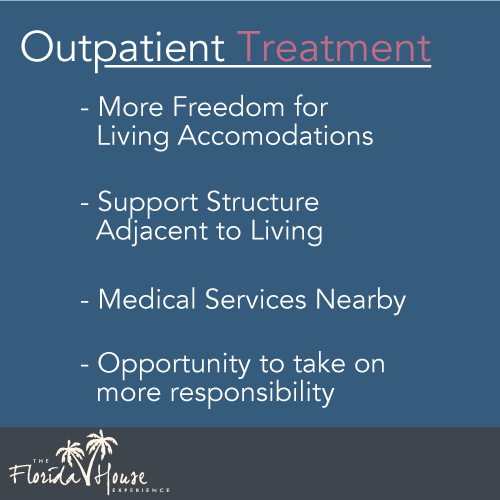
Outpatient treatment programs offer many of the same services as inpatient programs, but in an environment that allows people to live at home or in a sober living environment. Most programs are therapy-based and only involve a commitment of a few hours per day and a few days per week.
This type of addiction treatment allows the person to continue to live their normal life by maintaining a job, family commitments, or school attendance. Typically, outpatient treatment is a complement or combined with inpatient treatment in order to gain the skills necessary to overcome their addiction.
Types of Outpatient Treatment
There are several different outpatient options. Those options include:
- Partial Hospitalization or Intensive Outpatient Treatment – These are two different types of programs, but both provide similar benefits and structure. The person involved in the treatment program is able to go home at the end of their daily session, but they are typically required to attend medication management, group therapy, and individual therapy for several hours per day, many days per week. This can range from anywhere from four hours per day, three days per week, to eight hours per day, five days per week, with structured breaks. Most of these programs spread a 20-hour-per-week requirement over a few days. A person will typically enroll in one of these programs after completing their inpatient treatment.
- Peer support or 12-Step Programs – These programs tend to get the most attention on television and movies. This type of recovery program first became popular in the 1930s, as a method for overcoming an alcohol abuse disorder. The program changed how addiction and substance abuse were viewed. Since its inception, 12-Step programs have exploded in popularity, and they remain very popular today. A person joining the program goes to regular meetings and finds a sponsor, who will help them remain accountable for their recovery. These are peer-led programs that are not accredited by hospitals, but the social setting can provide a good support structure. As a result, they are not technically considered outpatient treatment. However, they are often viewed under this umbrella. As a result, they are typically done in conjunction with another outpatient treatment program.
- Other types of outpatient services – There are other types of outpatient programs that can be ordered by a doctor and can be found at hospitals, university medical centers, or on their own in separate, specialized facilities. Like the other treatment programs, these typically involve group therapy and focus on actively involving the individual’s family, friends, and community in their recovery.
Comparing Inpatient and Outpatient Treatment
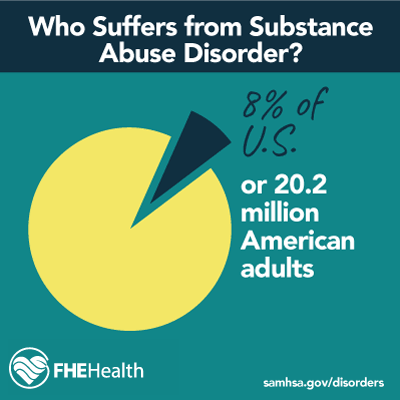
Outcomes data favors inpatient treatment for many people, especially in early recovery. People in inpatient settings often find it easier to maintain their commitment because there are no everyday distractions to derail progress, and dropout rates tend to be lower. Intensive outpatient programs are the exception — research suggests their outcomes are comparable to inpatient programs. Either choice can support long-term recovery; the right one depends on your specific situation.
- Around-the-clock support throughout detox and early recovery
- 24/7 access to clinical care so you’re never navigating recovery alone
- Structured framework that doesn’t depend on your own scheduling or willpower
- Removed from everyday triggers and high-risk environments
- Time away from school, work, and family
- Less control over your daily schedule
- Higher cost than outpatient care
- Daily support from family and loved ones during treatment
- Continuity of routine — you stay at home
- Lower cost than inpatient care
- Flexibility to choose therapy types that fit your needs
- Schedule appointments around work, school, or family obligations
- Care isn’t available 24/7, which can be hard during cravings
- Less accountability if you miss therapy sessions
- No immediate medical supervision during detox
How to Choose Between Inpatient and Outpatient Care
Choosing the right level of care depends on several factors specific to your situation. The criteria below can help you and your treatment team determine which option fits best.
External Circumstances
Practical considerations like work, school, and family responsibilities matter. If you have small children depending on you or a job you can’t afford to leave, outpatient care may let you maintain those daily responsibilities while still getting treatment. If you can step away for several weeks without significant consequences, inpatient offers a more intensive recovery experience without competing demands.
Treatment History
If you’ve completed outpatient treatment in the past and relapsed soon after, that history is meaningful. Relapse isn’t failure — it’s often a signal that a higher level of care is needed for the next attempt. An inpatient program can provide an extra layer of support and accountability to interrupt that pattern, particularly if previous outpatient attempts didn’t deliver lasting results.
Mental Health and Co-Occurring Conditions
If you have a co-occurring condition such as depression, anxiety, bipolar disorder, or schizophrenia, early sobriety can intensify mental health symptoms. Inpatient programs offer dedicated psychiatric support and the immediate medical attention needed if symptoms escalate. If you’re experiencing suicidal thoughts or thoughts of harming yourself or others, inpatient care is the appropriate level of care.
Detox Needs
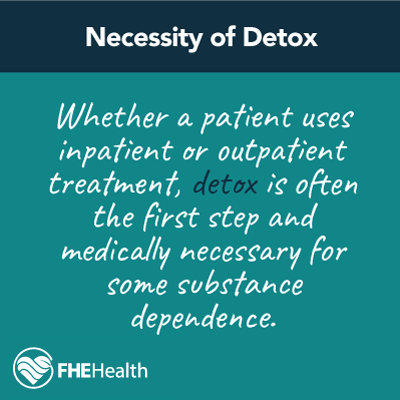
If you need medical detox, inpatient care is the safer choice. Around 80 percent of people in detox use medication to manage withdrawal symptoms, and going through this process at home is generally not recommended. Withdrawal from alcohol or benzodiazepines specifically can be fatal when unsupervised. Inpatient facilities provide 24-hour monitoring during detox to ensure safety.
Finances
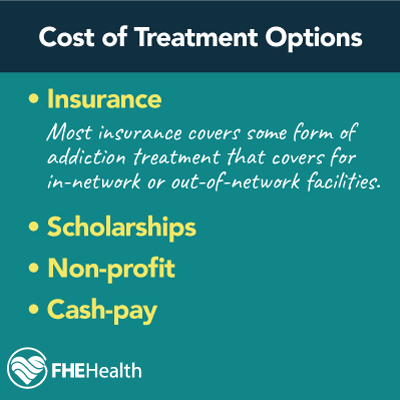
Inpatient treatment costs more than outpatient because the price includes room, meals, and 24/7 staffing. Most PPO and many HMO insurance plans cover at least part of either option, and FHE Health’s admissions team can verify your insurance benefits before you commit to a plan.
Need Help?
Treatment can begin quickly and discreetly, get started now
Frequently Asked Questions
Are You In Need of Addiction Treatment?
If you or a loved one are struggling with addiction, reach out to us at FHE Health today. We offer multiple levels of treatment to ensure that you do not face your addiction alone and can live a new life free from addiction. Choose life and contact us today at 833-596-3502.