
If you’ve used marijuana and have a drug test coming up, you may be worried about testing positive for THC, the primary psychoactive compound in weed. You’re right to be concerned: Testing positive for weed could result in repercussions at work or court related issues. Beware, however, of the quick fixes that turn up in Google searches. Those 24-hour/same-day THC detox kits and home weed detox methods are unlikely to work.
This article explains how marijuana is detected, why flushing THC out of your system is so difficult and which popular detox methods are myths versus which actually helps.
How Do Tests Detect Marijuana?
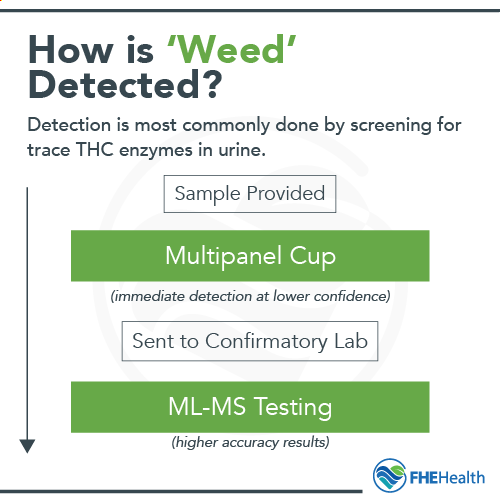 Drug tests do not look for THC itself. Instead, most urine drug tests screen for THC-COOH, an inactive metabolite produced after the body processes THC.
Here’s what happens after marijuana use:
- THC enters the bloodstream
- The liver metabolizes THC into THC-COOH
- THC-COOH is stored in fat cells
- It is slowly released and excreted into the urine over time.
Because THC-COOH is fat-soluble, it remains in the body long after the intoxicating effects of marijuana have faded. This is why marijuana can be detected for, sometimes, weeks after use. Overwhelmingly, urine is the most common method of testing, though saliva, blood and even hair can be tested, each with different detection windows.
How Long is the Typical Detection Window for Weed?
The detection window for the presence of weed in your system depends on several factors including:
- Frequency of use: habitual use allows more THC-COOH buildup in cells
- Potency: Type of THC consumed may affect levels of THC-COOH
- Body Composition: Higher availability of fat cells allows more THC-COOH to be stored
- Metabolism: Personal metabolism may affect how quickly the metabolites are released.
In general, one-time use may be detectable for 3-4 days (using a 50 ng/mL cutoff level), while for a chronic user, may not be detectable over 21 days (at a lower 20ng/mL cutoff level).(1) Though it may be present for up to 60 days. (7)
The type of test also affects detection times:
- Urine. Commonly used by employers; detects marijuana use within the past 1–3 days
- Saliva. Detects recent use within a few hours to 1–2 days; not effective for long-term detection
- Blood. More invasive; shows current marijuana presence, not long term use
- Hair. May reflect use in the last 90 days
These are general ranges, not guarantees. Each test may be configured to a different cut-off level, and each person can metabolize differently. To pass standard drug tests, you need to quit smoking weed for at least as long as the sensitivity period of the particular test.
Need Help?
Treatment can begin quickly and discreetly, get started now
Why Would Someone Want to Flush Weed Out of Their System?
From a mandatory workplace drug test to applying for a job in the transportation sector requiring testing for certain drugs to a simple desire to rid your body of the toxins and traces of cannabis, there are many reasons to want to look for how to clean pot out of your system.
Some individuals are only looking for quick removal of the substance so they can pass a drug test and avoid negative consequences from employers. Others may want to quit smoking weed before applying for a job that may require drug testing, and they want to ensure the weed is completely out of their system ahead of time. Still, others may decide that weed has simply become too much a part of their daily life, and they want to function in a more clear-headed and healthy fashion. Then, too parental responsibilities or custody battles may motivate someone to pursue THC detoxing and professional counseling.
Regardless of the reason, it’s important to understand what does, and does not, work.
What Helps Clear Weed Out Of Your System?
 There are a number of methods for flushing weed out of your system, although they’re not all effective and some could cause health problems. Let’s explore some touted THC detox methods that are really just myths.
Common Myths About THC Detox:
- Can Cranberry Juice Help?
While drinking cranberry juice is generally considered good for urinary health, it is not the surefire way to ‘detox’ your system, as many guides claim. It may improve urinary function, but since the THC-COOH is being released from fat cells, it does not affect the source . Simply ‘flushing’ your urinary tract will not remove the stored metabolites from your body. - Can a Vinegar Detox Help?
Just the thought of consuming apple cider vinegar as a weed detox may be enough to dissuade you from this flawed method. Beyond the unpleasantness, drinking vinegar can cause hyponatremia, a dangerous condition in which the sodium level in your blood drops abnormally low. In large volumes it can cause nausea, stomach irritation and electrolyte imbalances. There is no evidence it affects THC detection. - Can Excessive Water Consumption Help?
Water is essential for good health, yet downing gallons of the liquid in the mistaken belief that it’s one of the ways to clean out your system in 24 hours is a practice that’s not recommended. While it may temporarily dilute urine, labs check for dilution using markers like creatinine levels, specific gravity, and urine color. Over-hydration often results in an invalid or flagged test rather than a negative one. - Can Detox Teas Help?
Many ‘detox teas’ act as mild diuretics or laxatives. They do not alter how THC is stored or release it from fat cells. - Does a Niacin Detox Help?
Taking high doses of niacin as a weed detox to flush out THC from your system can also be dangerous. Potential adverse reactions to a niacin detox include abdominal cramps, diarrhea, nausea, and vomiting, as well as side effects such as itching, skin rashes and flushing of the skin. While online posts suggest niacin can foil drug tests, according to information from the Centers for Disease Control and Prevention (CDC), there’s no evidence from science that niacin helps you pass a urine drug test. (4) - Do Weed Detox Kits Work?
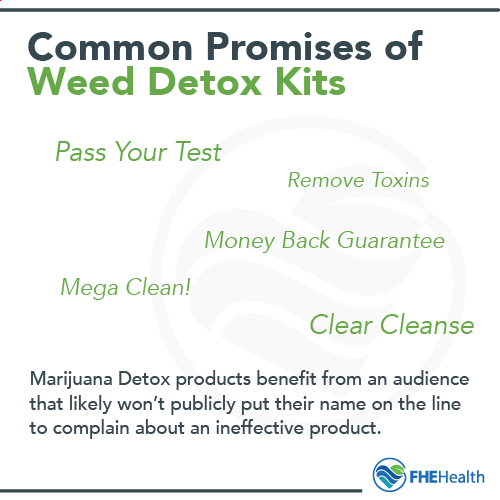
Companies trying to make a profit by promising instant results with a weed detox kit prey on a person’s desire to pass a supervised drug test. For the most part, these kits don’t work. In fact, they may be dangerous, so don’t waste your time or money on them. - Does a ‘Same-day detox’ Work?
THC is stored in fat, so it’s not physically possible to get rid of it in a same-day detox. As with purported weed detox kits, this is another sham product offering that only serves to benefit the sellers, most of whom hawk their offerings on the internet.
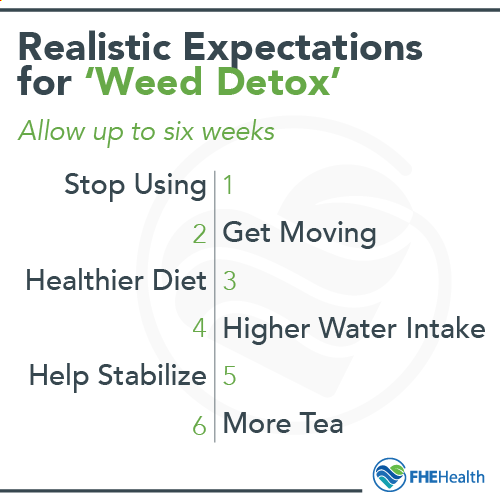
What Actually Helps THC Leave the Body
The term ‘detox’ is often misleading. Your liver and kidneys already work continuously to process waste. There is no way to instantly override this system, but certain steps can support the body naturally over time.
Stop Using Marijuana
If you want to flush weed out of your system, the best way to start is to stop using weed. This may be especially difficult for users who regularly engage in smoking or otherwise ingesting cannabis multiple times a day. However, stopping exposure is the only way to stop replenishing THC stores.
Get Moving With Exercise
Exercise increases levels of natural endocannabinoids in your bloodstream, which can aid the process of flushing weed from your system. By engaging in weight training and cardiovascular exercise, you’re also helping speed up your metabolism. This burns fat, which is where THC is stored. Burning fat through exercise can enhance the weed detoxification process. However, it should be noted that intense exercise immediately before a test may actually temporarily increase THC-COOH levels due to fat breakdown.
Eat a Healthier Diet, and Do So Mindfully
Certain types of foods can slow your metabolism and/or increase water retention in your body, largely because they have high amounts of fat, sugar or sodium. This is counterproductive when you want to flush weed metabolites out of your system. When you’re trying to detox from weed, stay away from red meat and junk food and focus on eating leafy greens, lean meats and healthy fats.
Stay Hydrated
Although you want to avoid overconsumption of water, you do need to help your body naturally flush weed from your body. It’s important to keep well hydrated during the entire weed detox process since you want the substance to be eliminated from your body with as little harm as possible. Pure, natural water is an excellent asset in this endeavor.
Common drug tests do use a Specimen Validity Test (SVT) that looks for markers to measure whether the sample is valid. Though overconsuming water may dilute your THC-COOH levels under the detection level, the test will be marked invalid due to other markers like low Creatinine, pH levels and specific gravity.
Help Stabilize Mood With Yoga or Meditation
If you’ve struggled with depression, anxiety or another mental health issue, your moods are likely in a state of flux. It’s common to experience irritability during a weed detox, which can adversely affect your mental health and interfere with your resolve to flush weed out of your system. Practicing yoga or meditation may help you stay calm during periods of stress or emotional turbulence.
Need Help?
Treatment can begin quickly and discreetly, get started now
How Can I Detox From Weed in 24 Hours?
Reconsider Your Weed Use After You ‘Pass’
 A growing number of states have legalized weed for medicinal use. In fact, medical marijuana is now legal in 40 states, plus Washington, DC, and four U.S. territories (2). However, legal weed use doesn’t eliminate potential problems for users other than testing positive on a drug test. It may be tough for a user to get or keep a job, and constant cannabis use can have negative effects on their day-to-day life.
What if You Have a Medical Marijuana Card?
This is a nuanced question that depends on several factors. Your state law, your employer policy, the industry regulations and potential federal oversight (3) all play a role in whether your prescription is valid. It is important to be aware of all of these factors before you ever engage in use. In some cases it may be prudent to inform the testing agency that you have a medical card the same way you would declare prescriptions you are using. They may pass along this information, however, the test results (positive or negative) will still be forwarded to the employer. It is important you have reviewed the policies of all involved agencies and make an informed decision on who to report this to.
Weed Continues to be a Problem for Employers
According to the Society for Human Resource Management (5), 4.5% of employees working in unregulated, non-safety-sensitive positions tested positive for marijuana in 2023. This is a significant increase from the 2019 positivity rate of 3.1%. Changing marijuana laws have led to more widespread use and an increasing number of employees trying to cheat drug tests. This has led employers to rethink their testing policies and the tests they use.
Weed May Be Legal, But it Can Still be Harmful
The negative consequences of continuing cannabis use can wreak havoc in your life, even if you think you have your weed habit under control. And even though weed may be legal in your state (either for recreational or medicinal purposes), there are often cumulative and cascading negative effects from ongoing use.
Relationships May Suffer
When you’re not thinking clearly or in a semipermanent or regularly stoned state, others around you are affected. You can’t fully participate in conversations and aren’t able to hold up your end of household or familial responsibilities. When you’re high, it’s not possible to interact with loved ones, family, friends or coworkers on a fully present basis. In fact, serious fractures in the family dynamic, lost friendships and even rebuffs from casual acquaintances are common among individuals who insist on maintaining a weed habit.
Your Job Performance Takes a Dive
Relationships aren’t the only thing that goes downhill when you’re a slave to cannabis. Your on-the-job attention to detail, ability to meet deadlines and objectives, participation as a team member and overall job performance also slip. This doesn’t go unnoticed by coworkers and supervisors, and it’s bound to jeopardize your hopes of advancement, whether in the form of a promotion, pay raise, bonus or being given greater levels of responsibility.
Financial Repercussions Mount
Any consistent fixation on a substance that may have become a dependence or addiction starts to hurt financial assets. You’re less likely to stay on top of paying bills, may squander cash without thinking of the consequences or find yourself withdrawing more funds to pay for your stash of weed.
Other Bad Habits Become Prevalent
Besides the consumption of cannabis, you may also fall into other bad habits such as drinking too much, gambling or combining prescription drugs and alcohol in an escalating attempt to continue a high. Cannabis has long been considered a gateway drug, especially when use starts in adolescence, and weed habits frequently morph into other substance addictions and/or addictive behaviors.
- Drug tests look for THC-COOH, not THC itself
- THC is stored in fat and eliminated slowly
- Detox myths and quick fixes rarely work
- Over-hydration can invalidate a test
- Time, abstinence, and healthy habits matter most
- Ongoing use problems may signal a need for support
Help Is Available If You’re Struggling with Weed Dependence
Are you trying to figure out the best and most effective way to flush weed out of your system? While cannabis withdrawal is usually not medically dangerous, professional support and a medical detox process can help manage symptoms and underlying dependence take uncertainty and fear out of the equation. It also ensures your THC detox is safe and any underlying issues are thoroughly addressed once the drug is out of your system. Seeking professional help also gives you the best chance of achieving a drug-free, healthy and successful future.
At FHE Health, we offer a full range of addiction programs, including both inpatient and outpatient rehab services. Contact us today to take the first step toward beating marijuana addiction.
References:
- (1) Marijuana Detection Window – https://ntcrc.org/wp-content/uploads/2020/06/DCRVolume5.1-2_The_Marijuana_Detection_Window.pdf
- (2) Medical Cannabis in the United States – https://en.wikipedia.org/wiki/Medical_cannabis_in_the_United_States
- (3) Federal Employees and Marijuana Use – https://www.fs.usda.gov/inside-fs/leadership/federal-employees-and-marijuana-use-what-you-need-know
- (4) Niacin Detox – https://www.cdc.gov/mmwr/preview/mmwrhtml/mm5615a2.htm
- (5) Common Marijuana Testing – https://www.drugs.com/article/drug-testing.html
- (6) Workers Testing Positive – https://www.shrm.org/topics-tools/news/risk-management/more-workers-testing-positive-marijuana-cheating-drug-screens
- (7) THC-COOH Presence in Urine – https://logan.testcatalog.org/show/THC-Q
Related Posts