
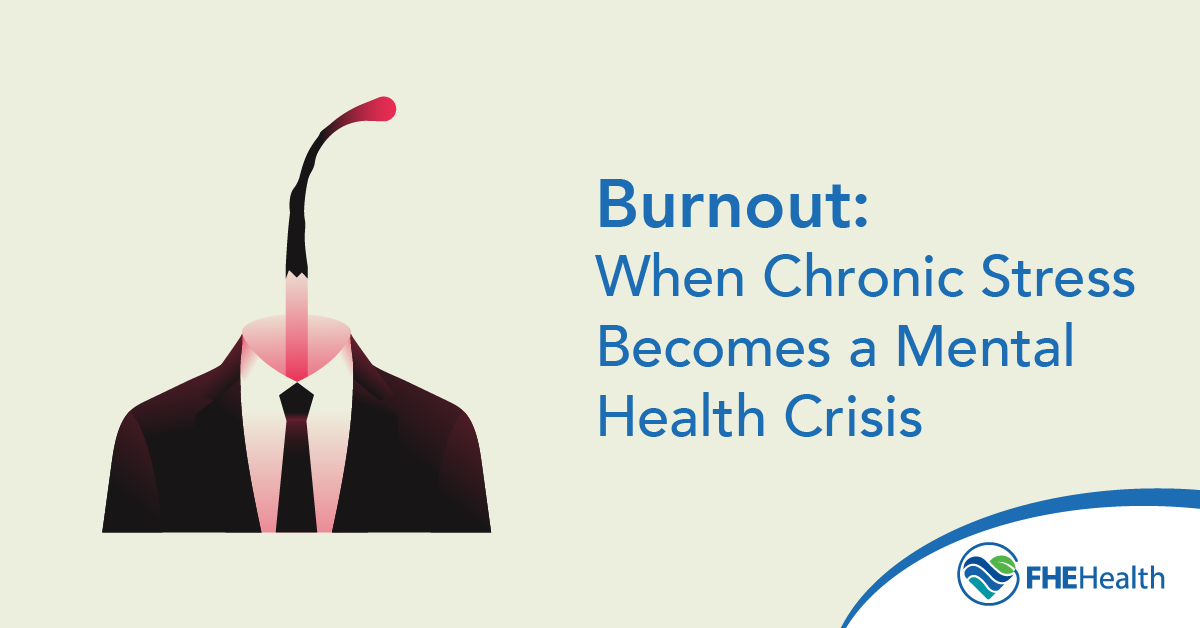
If you’re here, something at work may be causing you distress. Maybe getting through the day feels heavier than it used to, or you find it difficult to mentally disengage from work responsibilities even when the day is done.
That’s worth paying attention to.
Work stress is more common than most people realize. The U.S. Department of Labor reports that 83% of professionals deal with it, and more than half say it follows them home. When that pressure stops being occasional and starts feeling constant, chronic stress can develop into burnout, a state of prolonged exhaustion that affects how you think, feel and function at work.
Burnout isn’t a formal diagnosis, but that doesn’t make it any less real. Left unaddressed, it tends to contribute to deeper mental health struggles. Recognizing it early gives you a meaningful opportunity to address it before it worsens.
Signals Your Mind and Body Are Sending
Burnout shows up differently for everyone. Your body and mind do offer signals that something needs attention. You might notice:
- Changes in your digestion
- A shift in how much you enjoy your favorite hobbies
- Persistent tiredness that rest doesn’t quite fix
- Changes in your usual sleep patterns
- Catching common bugs easily or needing more time to bounce back
- Shifts in your daily appetite
- Physical aches or tension
- Elevated blood pressure
- Finding it harder to stay focused on your tasks
- Moments where your confidence and sense of value dip
- A consistently lowered mood
- Frequent headaches
Is Your Workplace Setting You Up for Burnout?
Many people blame themselves when their energy dips, assuming they need a better routine or more willpower to push through. But working in a demanding career does not mean exhaustion is inevitable. You can build solid habits to protect your well-being, yet the environment surrounding you still plays a significant role in how you feel by the time your workday ends.
In fact, when Gallup researchers looked into the daily experiences of roughly 7,500 professionals, they discovered that burnout is rarely just about your ability to cope. Instead, it usually stems from the structure of the workplace itself. They pinpointed five specific dynamics that heavily influence how drained a team feels:
- Unfair treatment, obvious bias, or unequal compensation.
- An unmanageable workload that consistently outpaces your capacity.
- Vague expectations and poorly defined job responsibilities.
- A distinct lack of solid support and communication from leadership.
- Unrealistic deadlines and constant time pressure.
What Happens if Workplace Burnout Isn’t Treated?
Burnout that goes unaddressed tends to worsen gradually and affect other areas of your life. Experts use the Maslach Burnout Inventory, a validated research tool developed by psychologist Christina Maslach that measures burnout across three dimensions: emotional exhaustion, detachment from work and reduced sense of personal effectiveness. It groups the effects into three core areas.
1. Avoiding Work-Related Activities
Your brain naturally tries to protect you by creating distance when the pressure becomes too much. Tasks that used to feel routine can start to feel more demanding than expected. You might catch yourself feeling unusually bitter toward your company, your colleagues or even your clients. That defensive instinct often leads to avoiding responsibilities, which tends to increase anxiety over time.
2. Reduced Job Performance
It’s frustrating to care about your career but feel unable to give it your best effort. Starting and sustaining tasks is genuinely difficult when your energy reserves are low. That sharp focus and creative spark your role demands can fade during this period. Your output quality may reflect that. You are not lazy. Burnout has pushed your mental resources past what they can reasonably sustain.
3. Emotional Exhaustion
Emotional exhaustion can set in early in the day, well before your schedule has wound down. That’s what sustained depletion looks like in practice. Your regular daily responsibilities become harder to manage when your internal reserves are consistently low. A sudden change or unexpected demand can make it genuinely difficult to cope.
Measuring Workplace Burnout: 10 Questions to Consider
- Are You Seeing a Drop in Productivity? Your drive to do well often fades when you feel deeply tired. A worn-out mind struggles to finish daily tasks. You might just go through the motions instead of really focusing on your projects. This lack of connection leads to a clear drop in the work you get done.
- Do You No Longer Experience a Sense of Achievement from Your Accomplishments? A total lack of connection to your daily work is a major warning sign. You might have once felt great pride in your wins. Those same victories might now leave you feeling empty or bored.
- Do You Feel More Critical at Work? Sustained stress can make smaller frustrations feel more significant than they might otherwise. Over time, this can lead to a more negative view of your work environment. You may find yourself judging colleagues, company decisions or clients more harshly than you normally would.
- Is It Difficult to Concentrate at Work? A fatigued mind finds it harder to sustain focus. Attention tends to narrow as workload pressure builds. Long-term stress elevates cortisol and other stress hormones, which can interfere with the brain’s ability to process complex problems or make clear decisions.
- Do You Feel Disillusionment Regarding Your Job? Burnout often hits the most caring and hard-working people the worst. Your whole view on your career path can change fast once the intense pressure starts hurting your mental health.
- Have You Experienced Changes in Your Sleep Patterns? Significant fatigue does not always translate to restful sleep. Racing thoughts can make it difficult to wind down at night. Some people also find themselves resisting sleep as a way of extending time away from work-related stress.
- Are You Experiencing Physical Symptoms such as Headaches or Digestive Issues? Many people anticipate the psychological effects of stress but are less prepared for the physical ones. Prolonged workplace stress can manifest as headaches, gastrointestinal discomfort or other somatic symptoms that are worth discussing with a medical provider.
- Do You Have Difficulty Getting Motivated to Do Your Job? A growing sense of misalignment between your daily responsibilities and what you find meaningful is a common sign of burnout. When work has lost its sense of purpose, finding the motivation to move forward takes considerably more effort.
- Are You Becoming Impatient with Coworkers or Clients? When most of your mental energy goes toward getting through the day, there is little left for collaboration or casual interaction. Reduced tolerance for social demands at work is a recognized sign that your emotional resources are running low.
- Are You Misusing Food, Alcohol, or Drugs to Deal with Uncomfortable Emotions? High stress pushes many people to look for fast comfort through food, alcohol or other drugs. These choices give a quick boost of pleasure to a tired brain. You might lean on them to numb bad feelings after a very tough shift.
Need Help?
Treatment can begin quickly and discreetly, get started now
What to Do When You Face Workplace Burnout
- Self-Help Strategies: Burnout is more reversible than most people think, and it often comes down to a few consistent habits. Rest and regular meals do more for your mental stamina than any productivity hack ever could. Once your body feels steadier, it becomes easier to draw clear lines around your time so work stops encroaching on your personal time and relationships.
- When Self-Help Isn’t Enough: Even the best habits have a ceiling when the job itself is the problem. An honest conversation with your manager about workload is worth having. If that goes nowhere, a reduced role or a fresh start somewhere else isn’t giving up. Sometimes it’s the clearest path forward.
- What Professional Support Looks Like: Prolonged stress can gradually worsen mental health symptoms in ways that are not always immediately apparent. A therapist brings clinical training in how to process emotions that have become difficult to manage independently.
Frequently Asked Questions
When Burnout Becomes a Clinical Issue
There’s a point where burnout stops being something a vacation or a better morning routine can fix. When exhaustion runs that deep, it often signals something more serious, like depression, anxiety or another condition that genuinely needs professional attention. Pushing through rarely works at that stage. It usually makes things worse.
At FHE Health, we work with people whose burnout has become severe enough that rest and routine changes are no longer sufficient. Our clinicians understand the difference between stress that responds to lifestyle adjustments and symptoms that point to an underlying condition requiring clinical attention.
If you’ve tried the self-help route and your symptoms persist, our team is available around the clock to help you identify what’s driving them and determine the right level of care. Contact FHE Health today to speak with someone who can help.