
Fame is an alluring concept for many people. The prospect of being rich, famous or an icon is a secret desire in many, with even children stating that their goal upon reaching adulthood is to be a rock star, an actor or the president.
However, fame is a double-edged sword. Along with riches and special privilege come scrutiny and judgment from the general public, creating a delicate balance that isn’t always easy to maintain. Some people crack under the pressure, while others live a life of substance abuse or mental illness due to the perceived challenges to public image that are often associated with getting help. Take popular singer Demi Lovato, for example — until her recent heavily publicized overdose, Demi adamantly maintained her sobriety and healthy habits to her fans.
Fame and leadership don’t prevent mental health and addiction issues, and unfortunately, the combination of a public spotlight and personal ambition often preclude getting treatment. In politics, this can be especially pronounced — while the antics of actors and actresses are interesting in a passive kind of way, those in politics are actively involved in making decisions that can affect the state of affairs nationwide.
Politics, Power and Mental Health
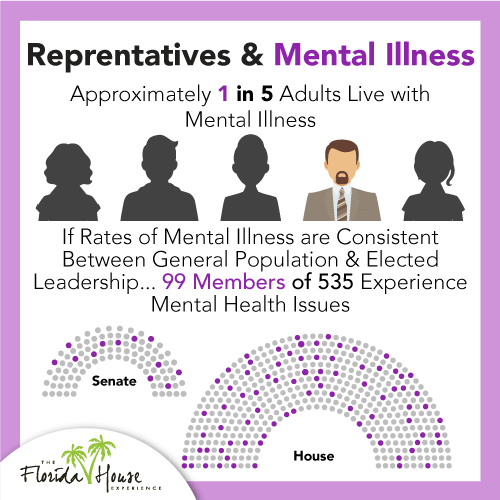 The ties between politics, power, and mental health challenges are strong indeed. Approximately one in five adults, or just under 45 million Americans, lives with mental illness in any given year, and those members of legislatures on the local, state and federal levels are not excluded from these figures. Accordingly, it’s statistically likely that around 99 members of the 535 representatives and senators who serve in Congress have experienced or are experiencing mental illness in some form. There is likely variance in the type of personality and mental health of someone who can rise to leadership roles. Rarely do the meek and mild gain the spotlight necessary for federal office. How this affects the populace of representatives is difficult to precisely determine.
In some cases, politicians lean into their challenges, using their behavior, whether good or bad, to promote their campaigns. Since the 2016 election, doctors and psychologists around the world have attempted to reasonably diagnose the often-baffling antics of President Trump. Trump’s apparent issues aren’t exclusive among presidents, either; one study found that half of all American presidents suffered from mental illness, and 27 percent met the criteria while in office.
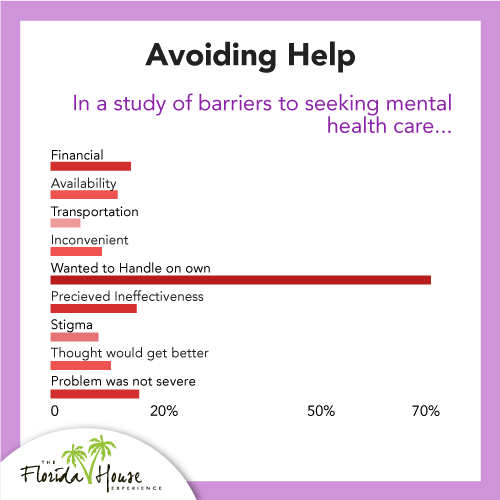
The high stakes involved for those in power only compound the hesitation in seeking treatment for mental health. While 56 percent of adults do not seek help for mental illness, this number is often higher in those who rely on their reputations for continued career success. Due to stigmas among those who do not understand the importance of mental health, many politicians are afraid that judgment associated with going to rehabilitation will hurt poll numbers and thus chances of re-election. In the same vein, many actors and musicians believe admitting weakness will alienate fans and followers. As such, many prefer to continue on untreated, neglecting their health and potentially putting themselves in danger.
The Case of Jason Kander
 While politicians speaking up and speaking out about personal mental health issues are exceedingly rare, particularly among those in high-ranking positions, it’s not completely unprecedented. Jason Kander, a Democrat who served as a member of the Missouri House of Representatives from the 44th District and the 39th Secretary of State in Missouri, provides a narrative of hope and resilience for those afraid to let public perception stand in the way of treatment.
A Successful Political Career
A retired intelligence captain in the Army National Guard, Kander was a popular political figure in Missouri from 2009 forward. With an educated and driven background that includes an undergraduate degree from American University and a law degree from Georgetown University, Kander was respected on both sides of the aisle.
He is known for his participation in programs to end voter suppression, including the foundation of Let America Vote, and a strong stance on gun control. In 2016, he narrowly lost a United States Senate race against GOP candidate Roy Blunt with 46.4 percent of the vote — a great feat in heavily Republican Missouri. At one point in time, he was seen as a potential Democratic challenger for president in the future as a result of his affable nature and his success as a liberal in a red state. In his Senate race, he received the most votes of any Democrat in any Missouri election, surpassing even those obtained by Presidential candidate Hillary Clinton.
An Admission of Need
In mid-2018, Kander announced his intention to run for the mayor of Kansas City the following year and hit the campaign trail aggressively throughout the summer and into the fall. However, that changed on October 2, 2018, when Kander announced his withdrawal from the race in order to treat his PTSD and depression.
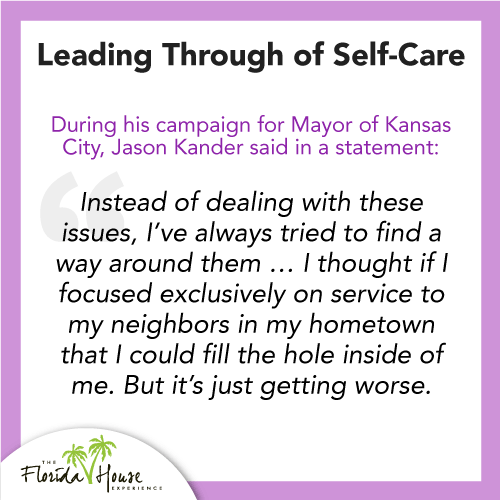
In a post on his Facebook page, Kander wrote, “Instead of dealing with these issues, I’ve always tried to find a way around them … I thought if I focused exclusively on service to my neighbors in my hometown that I could fill the hole inside of me. But it’s just getting worse.” He also went on to admit his occasional suicidal thoughts and the support he had pursued from the Veterans Crisis Line, a phone hotline for vets suffering from PTSD.
Kander’s decision resulted in significant press coverage, pointing a clear finger at the rarity of his actions. However, his decision was met with great support, particularly by those who knew him personally. And it’s true — by stepping back and going to treatment, Kander took a gallant step, setting an example for those who truly need help but have yet to come forward. Speaking for both politicians and veterans, Kander was able to harness his public persona for good in the fight against mental illness.
Making Treatment a Priority
For those in the spotlight, it’s easy to assume that fame, fortune, and power are worth the trade-offs to health, but this isn’t true. As Jason Kander’s case shows, neglecting to treat mental health issues can lead to suicidal ideation, putting life and happiness at extreme risk. Celebrity overdoses send the same message: Without getting help, the threats associated with addiction are real, no matter who you are.
Until the stigmas associated with mental health end, it’s unlikely that those in positions of fame and leadership will take proactive steps toward getting help. However, as political figures and celebrities take steps like Jason Kander, it’s possible that the tides will one day change.
If you or someone you love is struggling with addiction or mental illness and needs professional treatment, FHE Health is here. As an inclusive and comprehensive resource for those who require addiction management and mental health care, we are able to provide support from detox to alumni care. Please contact us today to learn more.
References