
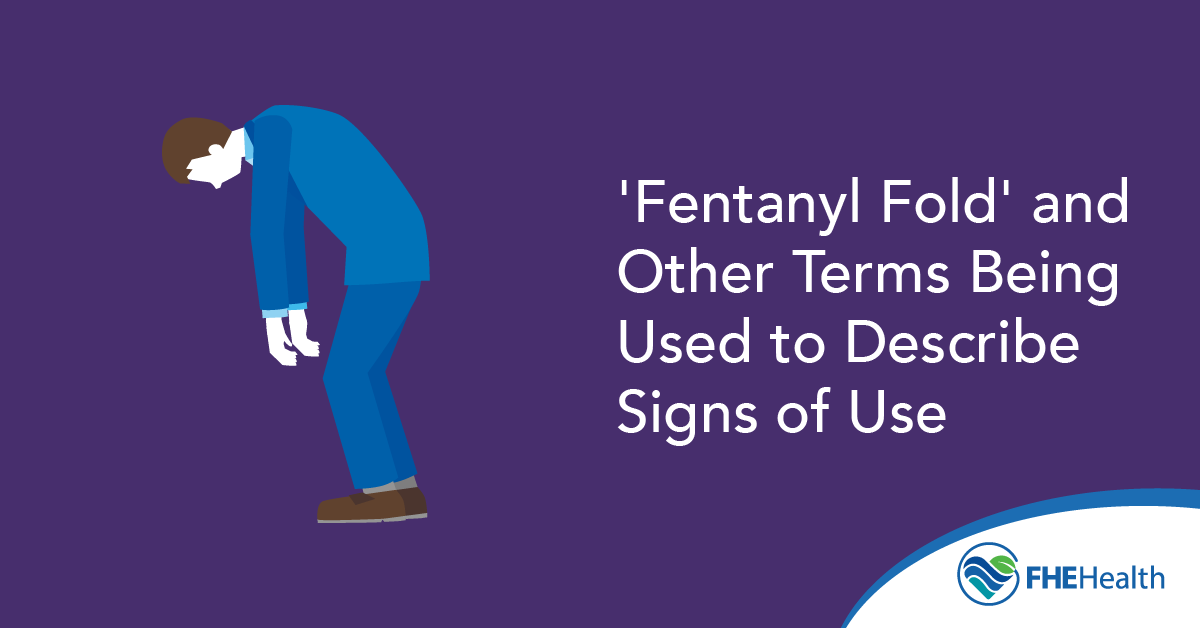
Like many medications intended for pain management, fentanyl is an effective, but dangerous, part of treatment in healthcare. This synthetic opioid drug is extremely potent, with a June 2025 National Institutes of Health report indicating a fatal dose can be as small as 2 milligrams. With growing news coverage on fentanyl abuse, the meaning of fentanyl fold and similar ‘street slang’ terms is a common topic of discussion.
Fentanyl: Emerging Street Slang for Drug Use
Due to the illegal nature of recreational drug usage, slang terms and nicknames are often used to avoid detection, including in verbal conversations, online message boards and text messaging apps on cellphones.
In casual conversation, shortening the name or using an initial, F or ‘fenty,’ for example, is typical, but more involved names are used as well. In a 2023 report by the National Drug Early Warning System, or NDEWS, physical characteristics of fentanyl pills were used, such as “blues” or “pinks.” Users may also use terms that reference the opioids’ effects: “slow” and “down,” as well as the familiar standing-but-slumped posture known as the fentanyl fold.
Like most language surrounding drug use, terms and slang are frequently changed once authorities learn them. Contextual clues are your best indicator that something is being purchased or obtained illegally or used in secret to avoid detection. Discussions about concealing symptoms, such as excessive sleepiness, missing money or cognitive impairments, may also be a red flag. While personal privacy is obviously important, ensuring your loved one is safe and healthy needs to take precedence in a suspected fentanyl abuse situation.
What Are the Physical Signs of Fentanyl Use
Symptoms of fentanyl use mimic those of other opioids, particularly in potential overdose situations. While not every overdose situation will look identical, knowing the telltale physical signs of fentanyl overdose may offer valuable, life-saving minutes of action before it’s too late. If you suspect someone may be in danger, look for these physical indicators:
- The infamous “fentanyl fold,” where a user is standing upright with bent knees but almost entirely bent over at the waist and potentially unconscious.
- Pinpoint pupils that fail to focus on stimuli such as movement or light exposure.
- Inability to maintain balance or stand when prompted.
- Disorientation or “nodding off” mid-sentence when prompted to respond.
- “Floppy” posture or muscle tone, such as the inability to hold or maintain arm position when it is lifted.
- Slurred or incoherent speech.
- Depressed breathing, such as shallow intakes of breath, gurgling, or long pauses between breaths.
If you notice one or more of these symptoms present in a suspected fentanyl user, seek medical help immediately by calling 911. In certain cases (under medical advisement), it may be necessary to administer an overdose rescue drug such as Naloxone to reverse certain life-threatening effects.
Risks of Overlooking Fentanyl Indicators
Substance abuse is both persistent and demanding, which can lead to lying, cheating, and misdirection to fulfill a chemical dependency. Loved ones may be tempted to believe excuses that someone is “just tired,” or “feeling sick,” even when more serious symptoms arise. Because fentanyl can depress breathing and the central nervous system, allowing a user to “sleep off” potential overdose symptoms can lead to a serious medical emergency or even death.
When dealing with fentanyl or other opioid abuse, it’s important to ask the hard questions and reject excuses. Remember, your loved one needs your help and support, and the real enemy is the drugs’ hold on them. If you suspect substance abuse with a loved one, reach out to the medical professionals at FHE Health for guidance and treatment options.
Why Fentanyl Use Is Uniquely Dangerous
Not only is fentanyl extremely potent in very small doses, but it’s also considered highly addictive. That means that users will seek it out with increasing frequency and resort to dangerous tactics and situations to obtain it. According to a 2023 report by USA Facts, fentanyl caused nearly 200 deaths a day and had a similar deadly track record in years prior.
In addition to its effects on direct users, the substance itself, whether through inhalation of powder, tactile contact with a medicated patch or other methods, can be deadly for others. A 2024 article by the Food and Drug Administration highlighted the particular risks of fentanyl patches to children, who can quickly experience deadly consequences when touching or mouthing patches that were improperly stored or disposed of. Because the patches are designed for adults, the dosage may quickly overwhelm children, because of their lower body mass, and arrest breathing.
When and How to Seek Help If You Notice These Signs
Confronting substance abuse takes courage and commitment, but it’s one of the most important things you’ll ever do, whether it’s for yourself or a loved one. If you notice signs of fentanyl use or hear what you suspect is street slang for drug use, don’t wait until a medical emergency occurs to get support. Make a note of the physical symptoms you’ve noticed, as well as dates and times, and have this information handy when you reach out to a substance abuse team or counselor.
As you prepare to guide your loved one towards fentanyl addiction treatment, safeguard their well-being by keeping overdose-reversal drugs such as Naloxone stored on your person or in the home. In a medical emergency, access to tools like these can be lifesaving. Familiarize yourself with medical treatment phone numbers, and, if they’re receptive, share this information with your loved one as well.
When you and your loved one are ready to start the path to recovery, contact FHE Health to schedule an assessment and start planning for a healthier future. fentanyl abuse can take so much away, but with a simple phone call, you can start the journey towards taking it back.
Need Help?
Treatment can begin quickly and discreetly, get started now